Explore YANXA's precision-engineered industrial chemical range, produced under ISO 9001 quality frameworks with verified batch traceabilities.


A rigorous examination of tricarboxylic acid salt crystallization, binding constants, and particle morphology engineered for global industries.
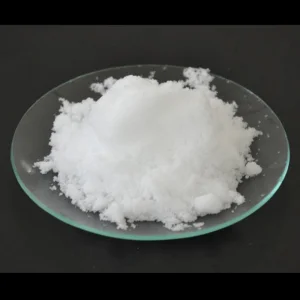
Citrate powders comprise organic salts derived from citric acid (2-hydroxypropane-1,2,3-tricarboxylic acid). With three ionizable carboxyl groups (pK₁ = 3.13, pK₂ = 4.76, and pK₃ = 6.40 at 25°C) alongside a tertiary hydroxyl group, the citrate moiety functions as a versatile, multidentate chelating ligand. In aqueous solutions, it forms thermodynamically stable, water-soluble coordination complexes with mono-, di-, and trivalent metal cations. By effectively suppressing the activity of free polyvalent cations such as Ca²⁺, Mg²⁺, Fe³⁺, and Cu²⁺, citrates prevent insoluble precipitation, inhibit oxidation cascades, stabilize emulsion interfaces, and serve as physiological pH buffers.
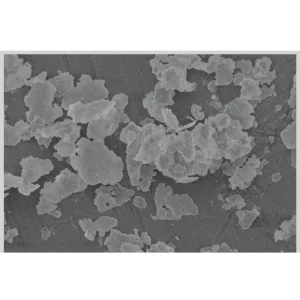
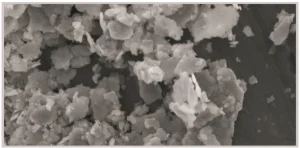
Chinese manufacturing architectures have evolved far beyond basic submerged fermentation. Modern synthesis utilizes advanced continuous crystallization kinetics, enabling micro-scale manipulation of crystal habit, hygroscopicity, bulk density, and dissolution rates. The downstream result is a portfolio of high-crystallinity citrate powders engineered to satisfy the strict monographs of the United States Pharmacopeia (USP), European Pharmacopoeia (EP), British Pharmacopoeia (BP), and Food Chemicals Codex (FCC).
| Citrate Compound | CAS Number | Molecular Formula | Assay (Dry Basis) | Primary Industrial Role | Standard Particle Profile |
|---|---|---|---|---|---|
| Trisodium Citrate Dihydrate | 6132-04-3 | Na₃C₆H₅O₇·2H₂O | 99.0% – 101.0% | Anticoagulant buffer, emulsifier, descaler | 12–40 Mesh / 30–100 Mesh |
| Tripotassium Citrate Monohydrate | 6100-05-6 | K₃C₆H₅O₇·H₂O | 99.0% – 100.5% | Systemic alkalizer, low-sodium food buffer | 20–60 Mesh / Micronized (D50 < 20μm) |
| Tricalcium Citrate Tetrahydrate | 5785-44-4 | Ca₃(C₆H₅O₇)₂·4H₂O | ≥ 98.0% | High-bioavailability calcium fortification | Ultra-fine powder (325 Mesh, D90 < 45μm) |
| Trimagnesium Citrate Nonahydrate | 15353-15-2 | Mg₃(C₆H₅O₇)₂·9H₂O | ≥ 98.0% | Rapid solubility mineral delivery, laxative | 80–200 Mesh |
| Zinc Citrate Dihydrate | 5990-29-4 | Zn₃(C₆H₅O₇)₂·2H₂O | 31.0% – 32.5% Zn | Oral care anti-calculus, immune nutraceuticals | Super-fine micronized (D50 < 10μm) |
| Ferric Ammonium Citrate | 1185-57-5 | Fe_x(NH₄)_y(C₆H₅O₇)_z | 20.5% – 22.5% Fe | Hematopoietic tonic, cyanotype chemistry | Deliquescent brown/green scales/powder |
How global formulators utilize engineered citrate powders across high-compliance pharmaceutical, nutrition, metallurgical, and specialty polymer sectors.
In biopharmaceutical downstream processing, trisodium citrate dihydrate is an essential physiological buffer and anticoagulant. By sequestering calcium ions, it halts the clotting enzyme cascade without altering protein conformation. High-purity, endotoxin-controlled grades (bacterial endotoxins < 0.25 EU/mg) are integrated into continuous hemodialysis solutions, blood fractionation procedures, and monoclonal antibody (mAb) formulation buffers to prevent protein denaturation during ultrafiltration.
Modern clinical nutrition relies on organic mineral salts over inorganic carbonates and oxides. Micronized tricalcium citrate and trimagnesium citrate provide significantly superior gastrointestinal absorption that is independent of gastric acid levels. This makes them ideal for geriatric and hypochlorhydric formulations. Their neutral organoleptic profile, clean taste, and non-chalky mouthfeel allow direct incorporation into functional dairy, plant-based beverages, and infant nutrition matrices.
As stringent environmental directives restrict synthetic aminocarboxylate chelants like EDTA and NTA, industrial citrate powder has emerged as the premier green chelant. It is deployed in printed circuit board (PCB) chemical polishing, nuclear cooling loop decontamination, and precision ferrous/non-ferrous descaling. Citrates form strong, water-soluble iron-citrate complexes under neutral-to-mildly-alkaline conditions, eliminating scale without pitting base metals.
Within synthetic rubber manufacturing (such as LSBR, CTBN, and HTBN synthesis ecosystems), precise redox balance is critical during emulsion polymerization. Citrate buffers control transition-metal catalyst valence states (such as Fe²⁺/Fe³⁺ redox systems). This prevents uncontrolled exotherms, stabilizes latex droplet surfaces, and ensures tight molecular weight distributions (polydispersity index) in polymer chains.
Deep subsurface drilling environments subject cementing slurries to extreme temperatures and pressures. Trisodium and tripotassium citrates serve as precise thermal set retarders. By selectively chelating Ca²⁺ during early hydration phases of tricalcium silicate (C₃S), citrates preserve slurry pumpability over extended transit times into deep wellbores, followed by rapid compressive strength development once downhole placement is achieved.
In modern personal care formulations, zinc citrate and potassium citrate fulfill critical stabilizing functions. Zinc citrate provides antimicrobial and anti-gingivitis efficacy in oral hygiene formulations while eliminating metallic aftertastes. In advanced dermatological serums, citrates manage alpha-hydroxy acid (AHA) buffering, preventing epidermal irritation by holding solution pH within the ideal biological window of 3.8 to 4.5.
Citrate powders function in tandem with YANXA's broader portfolio of chemical additives, metal powders, and nitrates. For instance, in energetic systems and advanced pyrotechnics, precise particle-size citrate salts act as combustion stabilizers and slag-formation modifiers when combined with atomized aluminum-magnesium alloy powders.
How upstream feedstock integration, thermodynamic innovation, and deep automation create an unshakeable sourcing bedrock for international procurement directors.
Chinese citrate complexes are situated adjacent to corn and cassava fermentation belts. This direct integration insulates factories from international carbohydrate market volatility, providing steady supply and lower base costs compared to fragmented European fermenters.
By using Mechanical Vapor Recompression (MVR) and multi-effect falling-film evaporators, modern Chinese plants reduce crystallization steam consumption by over 60%. This decouples production overhead from volatile thermal coal and natural gas pricing.
Distributed Control Systems (DCS) continuously monitor supersaturation, cooling curves, and crystal seed distribution. This precise, real-time control eliminates batch variation and delivers uniform crystal sizes from 10 mesh to 100 mesh.
Production hubs maintain dedicated rail spurs connecting directly to primary container ports like Qingdao, Tianjin, and Shanghai. This inland-to-port infrastructure enables 48-hour container transfers from reactor floor to ocean vessels, preventing port dwell delays.
Anticipating next-generation regulatory limits, sustainable processing, and ultra-fine particle engineering.
Future pharmacopeial monographs will lower limits for heavy metals and elemental impurities (ICH Q3D). R&D roadmaps focus on nanofiltration and multi-stage ion exchange polishers, consistently achieving arsenic, lead, cadmium, and mercury levels below 0.05 ppm, far exceeding current USP/EP requirements.
Traditional jet milling introduces mechanical stress, generating amorphous surfaces that accelerate caking in storage. We are investing in ultrasonic-assisted crystallization and microfluidic precipitation. These technologies produce spherical, sub-micron citrate crystals with smooth surfaces, high bulk density, and superior unassisted flowability.
By recycling fermentation mother liquors and converting gypsum by-products into construction-grade calcium sulfate, modern production loops reach near-zero effluent output. Paired with biomass cogeneration, this processing provides low-carbon, Scope 1 and Scope 2 compliant citrate powders for multinational ESG criteria.
A strategic guide for corporate procurement officers evaluating market capacity, energy risk factors, and hedging strategies.
While discussions regarding regionalization and nearshoring persist across North American and Western European supply chains, the global balance of citrate manufacturing is heavily anchored by infrastructure scale. China accounts for over two-thirds of worldwide merchant citrate production capacity. The prohibitive capital cost of establishing greenfield fermentation plants, combined with localized environmental permitting barriers and higher energy costs across the West, reinforces China's role as the primary, long-term manufacturing center for bulk organic acid salts.
Leading multinational conglomerates manage geographic concentration risk through agile dual-sourcing within Chinese manufacturing hubs. By partnering with auditable, tier-one manufacturers like YANXA who offer multi-plant redundancies, complete traceability, and direct port connectivity, overseas enterprises achieve rock-solid supply continuity while securing substantial Total Cost of Ownership (TCO) savings.
Mitigate currency and feedstock volatility through flexible contracting structures. We provide 3 to 12-month fixed-rate supply agreements tied to indexed corn and currency baselines, protecting downstream production budgets against sudden spot-market spikes.
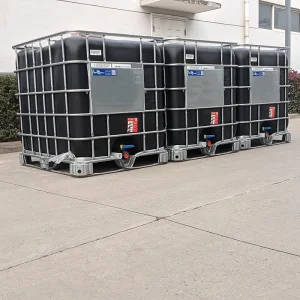
Beyond traditional 25kg multi-wall kraft paper bags, we supply moisture-barrier 1000kg flexible intermediate bulk containers (FIBCs) with bottom discharge spouts. This packaging cuts warehouse offloading labor by 75% and eliminates bag-slitting particulate contamination.
To insulate your production lines against ocean shipping and canal disruptions, YANXA facilitates vendor-managed inventory (VMI) and bonded buffer stock arrangements at major transshipment hubs, ensuring steady just-in-time replenishment.
Adhering to strict international standards across every lot released from our synthesis facilities.
Every pharma batch meets multi-compendial requirements, fully complying with USP, EP, BP, JP, and FCC monographs with validated test methodologies provided in detailed batch COAs.
Full support for EU REACH dossiers, FDA Drug Master Files (DMF), CEP certifications, Halal (MUI/JAKIM), and Kosher certifications. We streamline fast regulatory approvals across regional target markets.
Automated manufacturing execution systems (MES) maintain strict chain-of-custody data from initial corn starch raw materials through multi-stage crystallization, packing, and container seal verification.
Routine pre-shipment inspections are conducted through ISO 17025 accredited third-party laboratories (SGS, Intertek, or Bureau Veritas) to independently verify assay, mesh size distribution, and heavy metals.
Direct technical and logistical answers addressing particle optimization, compliance, and international shipping.
Granular citrates (typically 12–40 or 20–60 Mesh) offer superior free-flowing handling and minimal dust generation, making them ideal for direct-compression tableting, dry beverage blends, and industrial automated hoppers. Powder and micronized grades (80–325 Mesh, D50 < 20μm) dissolve much faster and suspend evenly in liquid formulations, suspension syrups, high-solids emulsions, and personal care creams.
Tripotassium citrate and anhydrous sodium citrate are naturally hygroscopic. We use multi-layer, heat-sealed packaging consisting of virgin food-grade polyethylene (PE) or aluminum-foil liners encased inside high-tensile 3-ply kraft paper or polypropylene woven outer bags. Container loads include high-absorption calcium chloride desiccants, and container flooring is lined with vapor-barrier films to prevent ambient moisture penetration during tropical sea transits.
Yes. We regularly adjust crystallization cooling curves and use air-classifier milling to fulfill custom particle size distributions (PSD). In addition, for industrial grades requiring extended silo storage, we can incorporate regulatory-compliant flow aids, such as super-fine tricalcium phosphate (TCP) or fumed silica, at precisely controlled concentrations (0.5% to 2.0%).
Standard citrate salts (sodium, potassium, calcium, magnesium, and zinc citrates) are classified as non-hazardous, non-DG cargo under UN Model Regulations, IMDG (maritime), and IATA (air) shipping codes. They require no specialized hazard placards. However, certain heavy metal complexes or organometallic mixes may require dedicated handling documentation, which our logistics specialists provide prior to dispatch.
Every lot ships with a batch-specific Certificate of Analysis (COA) detailing assay, moisture, heavy metals, mesh breakdown, and chloride/sulfate impurities. We also provide GHS Safety Data Sheets (SDS), technical data sheets (TDS), certificates of origin (COO, including Form A/E/RCEP where applicable), allergen statements, non-GMO statements, and BSE/TSE-free attestations.
Visual appearance is a primary indicator of chemical purity. We pass synthesized citrate solutions through multi-stage activated carbon adsorption beds and sub-micron ceramic polishing filters prior to final crystallization. This purges all organic chromophores, ensuring our finished crystals yield completely clear, colorless solutions with turbidity ratings below 2.0 NTU at 10% concentration.
Standard containerized orders (FCL: 20 to 26 metric tons) for standard mesh sodium and potassium citrates typically dispatch within 7 to 12 working days from order confirmation. Customized particle sizing or specialty organometallic citrates generally require a 15 to 20 day synthesis and packaging window. Our commercial MOQ starts at 1,000 kg, and pilot trial samples (500g–5kg) are available for verified commercial buyers.
Yes. We welcome customer and qualified third-party quality audits. We provide full facility transparency, including complete access to our analytical labs, clean-room packing zones, automated warehouse setups, and internal QA/QC documentation. Virtual remote video audits with live testing demonstrations can also be scheduled on short notice.
Explore YANXA's full cross-category production lines, engineered to the same exacting standards as our high-purity crystalline salts.