Direct-from-plant bulk quotes and verified specifications across YANXA's precision-engineered industrial chemical portfolio.





Understanding stoichiometry, prepolymer synthesis, and phase morphology separation in high-durability liquid urethane elastomers.
Polyurethane liquid casting systems rely on precise stoichiometric balances between terminal isocyanate (-NCO) moieties and coreactive active hydrogens (amine or hydroxyl curatives). By engineering toluene diisocyanate (TDI) and methylene diphenyl diisocyanate (MDI) prepolymers with polyether (PTMEG/PPG) or polyester backbones, Chinese chemical synthesis clusters optimize hard-to-soft segment ratios, directly controlling flex fatigue, glass transition temperature (Tg), and hydrolytic degradation barriers.
The mechanical distinction of high-performance liquid urethane rubber stems from thermodynamic microphase separation. Rigid aromatic polyurethane blocks self-assemble into nanometer-scale hydrogen-bonded physical crosslinks surrounded by amorphous flexible polyether domains. This provides unmatched resistance to cyclic tearing, micro-crack propagation, and dynamic heat buildup in high-speed mechanical rollers and severe slurry applications.
Tailoring room-temperature curable two-component (2K) formulations versus elevated-temperature hot-cast matrices requires micro-adjustments in catalyst reactivity and chain extenders like DETDA, DMTDA, and specialized polyols. Chinese manufacturing platforms provide specific pot life windows (from 90 seconds in automated meter-mix dispensing up to 45 minutes for hand-batching enormous hydrocyclone liners), eliminating void entrapment while achieving rapid demolding cycles.
| Elastomer System Class | Backbone Type | Hardness Range | Tensile Strength (MPa) | Tear Strength (Die C, kN/m) | Primary Industrial Utility |
|---|---|---|---|---|---|
| TDI-PTMEG Polyether | Polytetramethylene Ether | 70 Shore A – 75 Shore D | 35 – 55 | 75 – 120 | Mining screens, dynamic rollers, hydrocyclones, subsea cable guides |
| MDI-Polyester Cast | Polycaprolactone / Adipate | 55 Shore A – 95 Shore A | 40 – 62 | 90 – 145 | Slurry blades, pipelining pigs, scrapers, oil-lubricated bushings |
| MDI-PPG Standard | Polypropylene Glycol | 40 Shore A – 90 Shore A | 18 – 32 | 40 – 65 | Concrete formliners, architectural stamping, flexible potting, gaskets |
| Aliphatic Light-Stable | HDI / IPDI Polycarbonate | 60 Shore A – 85 Shore D | 25 – 45 | 55 – 85 | Optical encapsulation, non-yellowing architectural molds, marine trims |
How vertical integration from basic petrochemical upstream feeds to specialized reactive prepolymers insulates global supply chains.
Unlike regional mold compounders that re-bottle purchased prepolymers with large markups, China’s industrial polyurethane manufacturing clusters are deeply integrated with primary petrochemical refining centers producing pure MDI, TDI, propylene oxide, and tetrahydrofuran (THF). This vertical synthesis linkage guarantees uninterrupted feedstock availability, tight control over unreacted isocyanate monomer content (down to <0.1% free TDI/MDI for low-toxicity grades), and resilient spot/contract pricing that protects international procurement teams from raw material inflationary spikes.
Procuring liquid urethane rubber direct from Chinese manufacturers reduces total cost of ownership by 25% to 42% compared to Western compounders. Automated batch reactors from 500 kg pilot vessels up to 20-ton industrial synthesis reactors ensure consistency from initial mold validation trials up to full-scale continuous mining parts fabrication. Batch Certificate of Analysis (COA) verifies lot-to-lot consistency through Karl Fischer moisture titration (<0.05%), Brookfield viscosity stability, and FTIR fingerprint tracking.
From aggressive mineral processing slurries to ultra-precise tooling molds, our liquid urethane chemistries are custom-configured for real-world stress states.
Hydrocyclone linings, flotation impellers, and aggregate screen panels cast from premium TDI-PTMEG polyether urethane resist severe abrasive slurries, delivering 4x the working life of standard manganese steel or natural vulcanized gum rubber in high-velocity particulate streams.
High-resilience MDI-polyether elastomers engineered with low compression set and microcellular capabilities provide dynamic noise, vibration, and harshness (NVH) isolation in electric vehicle suspension bushings, subframe dampers, and lithium pack environmental seals.
Room-temperature curable two-part liquid urethane rubbers (Shore 30A to 60A) offer faithful micro-replication of natural wood, slate, and architectural masonry textures, with exceptional tear strength enabling over 150 demoldings without pattern distortion or oil leeching.
Specialty polyether liquid systems formulated with carbodiimide hydrolysis stabilizers resist long-term warm seawater aging, biological encrustation, and high hydrostatic pressures in offshore bend restrictors, umbilical cable clamps, and seismic exploration floatation modules.
Delivering uncompromised export compliance from chemical verification to intermodal freight handling.
All urethane prepolymers, curatives, and liquid rubber additives are supplied with comprehensive 16-section Safety Data Sheets (SDS) in native languages compliant with GHS Revision 8, EU REACH registration protocols, and US TSCA requirements. We provide complete toxicological transparency, CAS identification, and VOC analysis for seamless customs clearance.
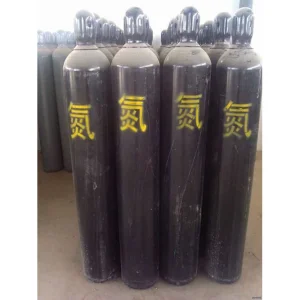
Isocyanate-terminated components are hyper-sensitive to atmospheric moisture, which causes uncontrolled CO2 outgassing and bubbling defects. Our products are packed in UN-certified steel drums (20 kg, 200 kg) and IBC containers pre-purged and headspace-blanketed with ultra-pure dry nitrogen (dew point < -60°C), preserving active NCO titrations across extended maritime shipping routes.
Beyond our in-house ISO 9001 certified laboratory analysis, we coordinate routine third-party verification through SGS, Intertek, or TÜV prior to port departure. Independent testing parameters include monomer purity, dynamic shear modulus, shore hardness verification, and tensile elongation tests conforming to ASTM D412 and ISO 37 protocols.
Leading sustainable chemical transformation through circular polyols, non-isocyanate urethanes, and high-speed photocurable additive manufacturing resins.
Aligning with Scope 3 carbon reduction objectives, Chinese R&D consortiums are actively deploying succinic acid and castor oil-derived polyols that substitute petroleum chains by up to 45% without sacrificing tensile modulus, giving sustainable footwear, tooling, and mining equipment manufacturers verified eco-certified performance.
To completely eliminate free isocyanate exposure risks during manual casting, development is accelerating in cyclic carbonate and polyamine condensation pathways. NIPU systems demonstrate remarkable chemical porosity resistance and zero sensitivity to atmospheric humidity during outdoor in-situ pour operations.
Dual-cure photopolymer-urethane hybrids allow industrial design centers to 3D print complex micro-lattice dampers, shock-absorbing sporting gear, and custom intake gaskets. UV exposure provides shape integrity, followed by thermal curing that activates full urethane crosslinking for true thermoset elastomer properties.
Targeted answers addressing technical formulation parameters, handling logistics, and quote customization from China manufacturers.
Explore our full line of functional liquid polymers (HTPB, CTBN, HTBS), high-surface-area metal powders, and electronic grade gases.