Explore our primary portfolio of specialty gases, inorganic compounds, synthetic polymers, and liquid elastomers. Manufactured in full compliance with ISO 9001 quality infrastructure and international dangerous goods logistics standards.
Polyethylene Glycol 500 (CAS No. 25322-68-3) represents an essential intermediate molecular mass tier within the broader polyoxyethylene family. Balancing exceptional solubility, low volatility, narrow polydispersity, and thermal durability, PEG 500 acts as a versatile building block for chemical synthesis, pharmaceutical vehicles, polyurethane elastomers, and lubricant formulators.
Our catalytic ethoxylation platforms utilize high-precision ring-opening polymerization kinetics under inert gas conditions, maintaining strict control over the average molecular weight (475–525 g/mol). This tight distribution eliminates batch-to-batch viscosity drift across sensitive formulations.
Utilizing high-vacuum falling-film stripping, free ethylene oxide (EO) and dioxane residues are mitigated below 1 ppm and 5 ppm respectively. Total moisture content is retained below 0.20%, preventing premature isocyanate reaction in polyurethane synthesis.
The chemical structure exhibits high hygroscopic binding and linear polyether chain flexibility, enabling PEG 500 to serve as a low-temperature plasticizer, humectant, and anti-static processing aid across industrial elastomers and coatings.
| Analytical Parameter | Standard Specification Limit | Analytical Protocol | Typical Test Batch Values |
|---|---|---|---|
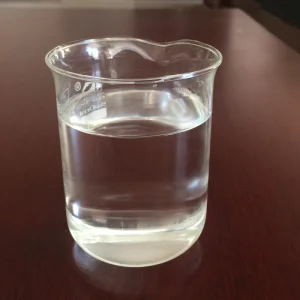
| Appearance (25°C) | Clear, colorless viscous liquid | Visual Inspection | Conforms (Colorless) |
| Average Molecular Weight | 475 – 525 g/mol | Hydroxyl Value Titration | 504 g/mol |
| Hydroxyl Value (mg KOH/g) | 213 – 236 mg KOH/g | ASTM E222 / ISO 4629 | 222.6 mg KOH/g |
| Kinematic Viscosity (40°C) | 38.0 – 46.0 mm²/s | Ubbelohde / ASTM D445 | 41.8 mm²/s |
| Moisture Content (Karl Fischer) | ≤ 0.20% w/w | ASTM E1064 / ISO 760 | 0.08% w/w |
| pH Value (5% aqueous solution) | 5.0 – 7.0 | Potentiometric (25°C) | 6.2 |
| Heavy Metals (Pb, As) | ≤ 5 ppm total | ICP-MS Validation | < 1 ppm |
International chemical supply chains mandate strict adherence to technical and regulatory benchmarks. Yanxatech System Industries Limited integrates end-to-end quality systems designed to pass rigorous Tier-1 enterprise vendor audits.
Supplied with complete EU REACH registration dossiers, compliant GHS SDS multilingual documentation, and analytical Certificate of Analysis for every manufactured lot code.
Export packaging complies with IMDG and IATA regulations. Available in 200 kg high-density polyethylene (HDPE) drums, 1,000 kg intermediate bulk containers (IBC), and heated ISO tank containers.
All batches undergo systematic GC and titration testing with counter-samples retained under temperature-controlled monitoring for a rolling 24-month audit window.
Experienced technical teams coordinate clearance, inland multimodal haulage, port storage, and hazardous cargo protocols for seamless dock-to-facility transport.
Across modern chemical manufacturing, the transition toward solvent-free chemistry, high-performance prepolymers, and biocompatible polymers has substantially elevated the global consumption of Polyethylene Glycol 500.
Acts as a linear chain extender and hydrophilic segment donor. PEG 500 enhances the elasticity, moisture-vapor transmission rate (MVTR), and phase separation behavior of synthetic leather coatings and waterborne polyurethane (WPU) dispersions.
Offers exceptional shear stability, low sludge formation, and natural water miscibility. PEG 500 delivers boundary lubrication properties in synthetic metal-cutting fluids, drawing compounds, and hydraulic heat-transfer media without foaming.
Serves as a precursor for PEG-diacrylates, mono/diester surfactants, and nonionic emulsifiers. Its dual terminal hydroxyl functionalities yield consistent esterification kinetics for agrochemical carriers and concrete superplasticizer syntheses.
Direct answers to the most common inquiries from technical procurement engineers, formulation chemists, and chemical sourcing directors.
PEG 500 fills a specific viscosity-melting point niche. While PEG 400 maintains a lower viscosity and freezing point (4–8°C), PEG 500 provides higher solvency power for medium-polarity organics and elevated lubricity without solidifying into an unmanageable paste at standard operational temperatures (freezing point ~12–17°C).
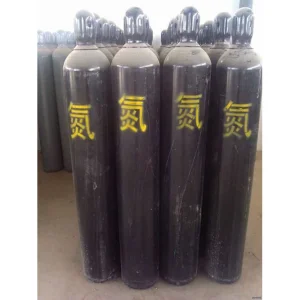
Polyethylene glycols are susceptible to auto-oxidation in the presence of atmospheric oxygen and trace iron catalysts, producing aldehydes and organic acids. We recommend storing PEG 500 under a dry nitrogen blanket in epoxy-lined steel drums or 316L stainless steel storage vessels between 15°C and 30°C.
Yes. For reactive polyurethane and sealant synthesis applications, we offer customized low-water tiers (≤ 0.05% via enhanced molecular sieve dehydration) and narrow-fraction hydroxyl ranges customized to your target prepolymer stoichiometric calculations.
Standard export orders ship within 10–14 business days from Qingdao, Shanghai, or Tianjin ports. Every shipment is accompanied by a batch Certificate of Analysis (COA), fully declared Bill of Lading, Packing List, GHS-compliant SDS, Non-Dangerous Cargo Certification (if non-DG), and Certificate of Origin (COO).
Complete your manufacturing stream by sourcing high-performance liquid elastomers, electronic purity processing gases, metal powders, and basic nitrate chemicals from our verified integrated manufacturing network.