

Verified commercial lots with factory-direct batch testing, traceable Certificates of Analysis (COA), and global hazardous goods export clearance.
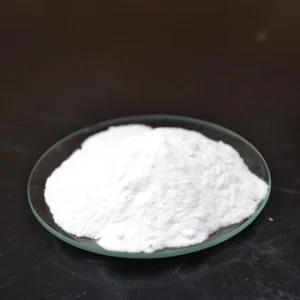


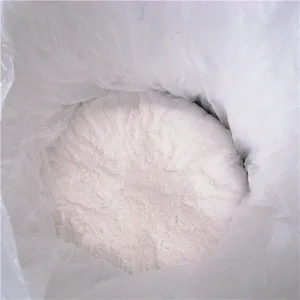
The coupled industrial utility of copper nitrate [Cu(NO₃)₂] and sodium hydroxide (NaOH) represents one of the most critical foundational reaction pairs in industrial inorganic chemistry, functional precursor synthesis, and electronic surface modification.
When stoichiometric sodium hydroxide is introduced into controlled aqueous copper nitrate trihydrate solutions, direct double-displacement synthesizes reactive, amorphous copper(II) hydroxide [Cu(OH)₂] or crystalline cupric oxide (CuO) nanostructures upon thermal maturation. Maintaining pH between 8.5 and 10.2 minimizes soluble cuprate anion by-products.
The resulting copper oxide precursors synthesized via Cu(NO₃)₂–NaOH reactions form the core catalyst beds for methanol steam reforming, low-temperature water-gas shift (WGS) reactors, and volatile organic compound (VOC) scrubbers. Uniform particle aggregation dictates catalytic turnover frequencies (TOF) across continuous flow reactors.
Copper nitrate serves as a highly soluble, chloride-free copper source for microelectronics chemical-mechanical planarization (CMP) and specialized electropolishing baths. Ultra-pure caustic soda functions in tandem as a precise pH buffer, stripper, and regenerator of ionic electrodeposition solutions.
Procurement benchmark metrics indicating typical chemical assay purity, residual impurity tolerances, packaging classifications, and container-load FOB price bands.
| Chemical Compound | Grade / Standard | Typical Assay | Moisture / Residue | Dangerous Goods Class | Indicative Price (Metric Ton) |
|---|---|---|---|---|---|
| Copper Nitrate Trihydrate [Cu(NO₃)₂·3H₂O] | Catalytic / Tech Grade | ≥ 99.0% | Insoluble ≤ 0.005% | Class 5.1 (UN 3085) | $3,850 – $4,600 / MT |
| Copper Nitrate Hemipentahydrate [Cu(NO₃)₂·2.5H₂O] | Electronic / High Purity | ≥ 99.5% | Fe ≤ 10 ppm, Pb ≤ 5 ppm | Class 5.1 (UN 3085) | $4,700 – $5,400 / MT |
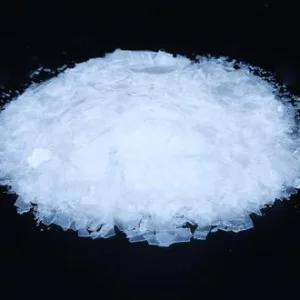
| Sodium Hydroxide Flakes [NaOH] | Industrial Standard | ≥ 99.0% | Na₂CO₃ ≤ 0.5% | Class 8 (UN 1823) | $420 – $580 / MT |
| Sodium Hydroxide Pearls / Pellets [NaOH] | Reagent / Chemical Grade | ≥ 99.5% | NaCl ≤ 0.03%, Fe ≤ 5 ppm | Class 8 (UN 1823) | $550 – $720 / MT |
| Pre-reacted Cupric Hydroxide [Cu(OH)₂] | Agricultural / Algicide | ≥ 95.0% (Cu ≥ 60%) | Heavy Metals ≤ 20 ppm | Class 9 (UN 3077) | $5,200 – $6,100 / MT |
*Pricing reflects baseline wholesale container orders (FOB Main China Ports). Spot quotations vary with global LME copper indices, caustic soda energy tariffs, and ocean freight updates.
How downstream processing plants deploy copper nitrate and sodium hydroxide across chemical synthesis, metallurgical finishing, and environmental systems.
Widely utilized in high-density interconnect (HDI) printed circuit board manufacturing. Controlled neutralization prevents localized copper reduction, maintaining uniform chemical plating thickness across micro-vias.
Factory-scale conversion of copper nitrate by concentrated sodium hydroxide yields copper hydroxide suspensions for broad-spectrum agricultural bactericides, combating foliar pathogens in high-humidity cultivation regions.
Serving as primary fixation reagents for synthetic polyamides and wool fabrics, basic copper precipitates generated in situ form coordination complexes with natural and synthetic chromophores, increasing wash fastness.
Used inversely in hydrometallurgical wastewater streams: exact doses of caustic soda flakes strip heavy metals via fractional precipitation, reducing free ionic copper to below 0.5 ppm to satisfy stringent discharge standards.
The transition toward zero-liquid discharge (ZLD), automated titration monitoring, and recycled copper feedstock standards shaping global production facilities through 2030.
Transition from primary cathode dissolution toward refined secondary scrap wire digestion using catalytic oxygenation, reducing raw material carbon footprints by up to 42%.
Integration of falling-film continuous crystallization units replacing batch crystallization vats, achieving uniform crystal habit distribution and eliminating clump formation during maritime transit.
Online acoustic attenuation and laser diffraction monitoring of Cu(NO₃)₂–NaOH precipitation cascades, ensuring sub-50nm copper hydroxide and copper oxide precursor synthesis.
Complete evaporation and refining of the co-product sodium nitrate (NaNO₃) effluent stream into commercial molten-salt thermal energy storage grades for concentrated solar power (CSP) utilities.
Managing the intersection of Class 5.1 Oxidizing Substances and Class 8 Corrosive Solids within maritime freight safety and customs frameworks.
International Maritime Dangerous Goods (IMDG) Code explicitly prohibits stowing Class 5.1 oxidizers (Copper Nitrate) alongside strong Class 8 alkaline materials (Sodium Hydroxide) in the same shipping container. Factory freight desks manage segregated container documentation, multi-modal transfers, and IMO-compliant palletizing.
Copper nitrate trihydrate exhibits extreme deliquescence (melting in its own water of crystallization at 114°C, absorbing ambient water at >40% RH). Bulk export packing employs multi-ply valve bags featuring extruded aluminum-barrier liners, heat-welded closures, and desiccant packs to guarantee free-flowing discharge at the buyer's plant.
Factory-direct orders include standardized 16-section Safety Data Sheets (SDS) compliant with EU REACH, US OSHA HCS, and GHS Revision 9. Comprehensive traceability covers ICP-OES batch analysis, certified country of origin (CO), and pre-shipment inspections by independent survey agencies (SGS / BV).
Expert clarifications on formulation control, packaging stability, shipping restrictions, and batch customizability.
Comprehensive portfolio of high-purity gases, advanced liquid rubbers, and specialized flake powders manufactured under ISO 9001 quality supervision.