Direct supply from Yanxatech System Industries Limited (YANXA). Rigorous lot control with batch COA, full SDS documentation, and specialized packaging optimized for international marine and dangerous goods transport.
Bridging polymer synthesis, macromolecular crosslinking, and large-scale industrial building envelope protection for global commercial infrastructure projects.
Unlike preformed sheet membranes, PVC sheets, or torch-applied bitumen that suffer from premature joint seam failures, liquid rubber waterproofing membranes cure into a continuous, 100% monolithic elastomeric jacket. This vulcanized coating eliminates lap failures, mechanical fastener penetrations, and lateral water migration beneath the concrete substrate.
Synthesized with reactive polybutadiene backbones, telechelic functional groups (carboxyl, amino, maleic anhydride grafted), our liquid rubbers maintain superior glass transition temperatures (Tg down to -70°C). This polymer architecture enables dynamic crack-bridging capability exceeding 3.2 mm under cyclic thermal expansion and structural seismic settling.
Meeting strict environmental criteria (LEED v4.1, SCAQMD Rule 1113), these fluid-applied elastomeric formulations eliminate the fire hazards of open kettles, hot torches, and toxic solvent flash-offs. Cold-spray, roller, or squeegee applications dramatically lower labor risks, insurance overhead, and downtime on occupied commercial properties.
From high-humidity tropical marine environments to sub-zero permafrost utility corridors, our wholesale liquid rubber formulations are engineered with custom additive packages to counter distinct environmental degradations.
Deployed across Northern Europe, Canada, and Northern China for bridge decks, viaduct piers, and underground subway boxes. Utilizing CTBN and high cis-polybutadiene backbones ensures the cured membrane remains fully pliable at -40°C, resisting cracking from de-icing chemical salts, hydrostatic pore pressure, and freeze-thaw spalling.
Engineered for Southeast Asia, the Middle East, and Latin American coastal ports. Fortified with hindered amine light stabilizers (HALS) and synthetic elastomers resistant to continuous saline mist, microbial biofilm colonization, and solar ultraviolet radiation reaching UV index 12+ without surface chalking or embrittlement.
Tested in conformance with FLL root-penetration resistance protocols. When applied over intensive or extensive green roofs, our liquid rubber forms an impermeable barrier against aggressive root systems, humic acid runoff, and continuous ponding water without leaching plasticizers into drainage networks.
Specified by chemical processing plants, wastewater treatment digesters, and mining slurry basins. Exhibiting superior chemical resistance to dilute sulfuric acid, alkaline wash downs, hydrocarbons, and petrochemical spills, preventing contaminated runoffs from permeating into local groundwater tables.
Investigating the synthesis mechanics behind Carboxyl-Terminated Nitrile Butadiene Rubber (CTBN), Maleic Anhydride Grafted Polybutadiene (MLPB), and next-generation nano-composite elastomers.
| Polymer Chemistry Grade | Functional Group | Tensile Strength (MPa) | Elongation (%) | Chemical Resistance Profile | Primary Industrial Waterproofing Role |
|---|---|---|---|---|---|
| MLPB (Grafted Polybutadiene) | Maleic Anhydride (-MAH) | 12.5 – 18.0 | 450 – 650% | High resistance to polar solvents & moisture | Adhesion promoter on damp concrete, steel flashings |
| CTBN (Liquid NBR Rubber) | Carboxyl (-COOH) | 14.0 – 22.5 | 600 – 850% | Excellent fuel, oil, aliphatic hydrocarbon barrier | Crack-resistant secondary containment & expansion joints |
| ATBN (Amine Terminated) | Amine (-NH2) | 16.0 – 24.0 | 500 – 720% | Exceptional epoxy crosslink toughener | Two-component hybrid traffic decks & bridge overlays |
| L-XNBR (Random Carboxyl) | Carboxylated Pendant | 11.0 – 17.5 | 700 – 950% | Superior dynamic fatigue & ozone protection | High-movement structural roof joints & tunnel segments |
| Nano-Silica Reinforced Liquid Elastomer | Silane Hybridized | 18.5 – 26.0 | 800 – 1100% | Hydrophobic lotus-leaf barrier, anti-abrasion | Next-gen exposed architectural roofs & subterranean basements |
By co-reacting liquid synthetic rubbers with specialty polyethers and polyurethane prepolymers, our engineering team synthesizes IPN matrix structures. These interwoven macromolecular chains prevent microphase separation, resulting in membranes that combine the elastic rebound of rubber with the chemical toughness of structural polyurethanes.
Yanxatech's future technical roadmap integrates microencapsulated siloxane and reactive isocyanate crosslinkers into wholesale liquid rubber matrices. Upon structural micro-cracking, the shearing force ruptures internal microcapsules, auto-initiating localized ambient cure to seal water intrusion channels autonomously.
Transitioning away from purely petroleum-derived butadiene monomers, our synthesis pipeline incorporates renewable epoxidized vegetable oil derivatives and low-carbon synthetic monomers, delivering high bio-based carbon content without compromising physical durability, tensile modulus, or water-tight longevity.
Yanxatech System Industries Limited (YANXA) provides global EPC contractors, chemical distributors, and private-label formulators with unmatched reliability, continuous feedstock security, and competitive wholesale pricing.
Located in core chemical industrial clusters with direct pipeline supplies of 1,3-butadiene, acrylonitrile, and maleic anhydride. This vertical upstream integration shields overseas distributors from catastrophic raw-material price volatility and guarantees uninterrupted manufacturing run times even during global supply crunches.
Our modern reactor trains support continuous polymerization alongside high-precision batch synthesis (from 5-ton specialty runs to 50-ton master batches). Automated DCS computerized controls govern monomer dosing, temperature gradients, and initiator feeding, keeping batch-to-batch viscosity variance strictly within ±2.5%.
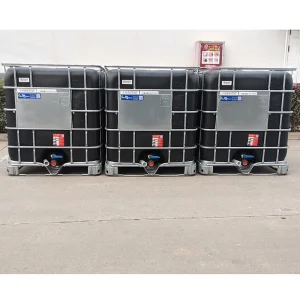
Decades of hazardous cargo handling under IMDG / IATA frameworks. From UN-certified steel drums and 1000L composite IBCs to dedicated ISO tanks, our facility ensures flawless export documentation: verified GHS SDS, batch COA, packing declarations, and rapid multimodal dispatch via major deep-sea hubs.
Ensuring cross-border compliance with ASTM, EN, ISO, and regional civil engineering testing standards for commercial building envelopes and infrastructure asset preservation.
Rigorous pre-shipment validation for high solids content, low-temperature flexibility crack bridging without cracking at -26°C, adhesion in peel to concrete, and extensibility after heat aging.
Certified crack-bridging class A5 (+23°C and -20°C), impermeability to pressurized water up to 5 bar, and outstanding vapor permeability rating for damp internal substrate drying.
Fully compliant with European Regulation (EC) No 1907/2006. Completely free from polycyclic aromatic hydrocarbons (PAHs), heavy metals, phthalate plasticizers, and SVHC candidates above 0.1% w/w.
We welcome and regularly facilitate on-site independent inspection of production lots, dry film thickness (DFT) coupon testing, drum sealing audits, and container loading supervision prior to bills of lading release.
Expert answers addressing polymer selection, surface preparation, wet-on-wet application tolerances, storage shelf-life, and private-label contract manufacturing.
A: Liquid rubber provides a 100% seamless, fully adhered monolithic layer. Sheet membranes (EPDM, TPO, SBS bitumen) rely on mechanical seam bonding or torch heat, which remain primary leak vectors over time. Furthermore, if a breach occurs in a sheet system, water tracks laterally underneath, making leak detection arduous. Liquid rubber chemically bonds directly to concrete or metal, isolating moisture infiltration to the exact point of surface damage.
A: Yes. Our MLPB and specialized polyether-modified formulations act as robust restoration coatings over aged modified bitumen, built-up roofing (BUR), and weathered single-ply membranes. The formulation re-plasticizes aged bitumen, bridging oxidized alligator cracks without requiring expensive and disruptive structural roof tear-offs.
A: For heavy civil and basement walls subjected to hydrostatic water pressure, we engineer a minimum recommended DFT of 60 to 80 mils (1.5 mm to 2.0 mm), typically achieved through two spray or squeegee coats. For critical expansion zones or footings, incorporating a spun-bond polyester reinforcing fabric between coats enhances puncture resistance and multidirectional tensile strength.
A: Water-borne elastomeric emulsions require relative humidity below 85% and dry surfaces for coalescence. However, our 100% solids two-component telechelic reactive formulations (utilizing CTBN or ATBN with isocyanate/epoxy curing agents) are moisture-tolerant and can cure under high-humidity conditions without outgassing, blister formation, or loss of adhesion.
A: We offer flexible wholesale packaging: standard 20 kg (5-gallon) metal/plastic pails for retail private labeling, 200 kg (55-gallon) UN-rated steel drums, 1,000 kg intermediate bulk containers (IBC tote tanks), and 20,000 kg bulk ISO tanks for global membrane manufacturers and chemical blenders.
A: Every production batch is released strictly with a comprehensive batch Certificate of Analysis (COA) specifying exact solids content, dynamic viscosity (Brookfield), tensile strength, elongation at break, specific gravity, and pH. We supply 16-section GHS-compliant Safety Data Sheets (SDS), Technical Data Sheets (TDS), and pre-shipment retained samples upon request.
Explore additional high-grade raw materials manufactured and supplied by Yanxatech System Industries Limited. Fully traceable industrial chemical solutions with global export compliance.