Browse our high-specification materials portfolio produced in ISO 9001-certified facilities, backed by batch-traceable Certificate of Analysis (COA) and global logistics compliance.
Understanding CAS No. 25322-68-3: Advanced polymer architecture, thermodynamic solubility parameters, and purity criteria driving high-performance synthesis.
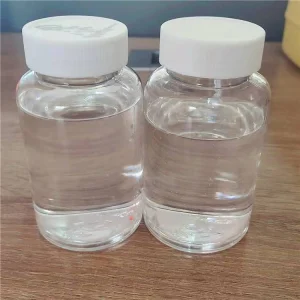
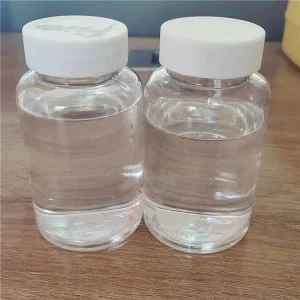
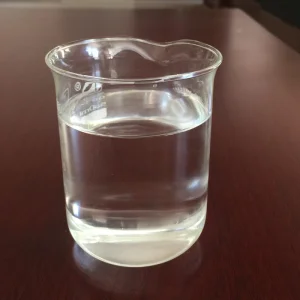
Polyethylene Glycol 300 (PEG 300) is an oligomeric condensation polymer of ethylene oxide and water, distinguished by an average stoichiometric repetition of approximately 6 to 7 oxyethylene units [-CH2-CH2-O-]. Visually presenting as a clear, viscous, colorless, and essentially odorless liquid at 25°C, PEG 300 serves as a critical macromolecular building block and multi-functional vehicle across pharmaceuticals, advanced resins, metalworking fluids, and chemical intermediates. Its profound commercial versatility stems directly from its amphiphilic character: terminal hydroxyl functionalities confer polar hydrogen-bonding reactivity, while repeating polyether backbones provide high flexibility, thermal stability, and extensive compatibility with both water and aromatic matrices.
Within international supply ecosystems, purchasing teams demand exceptionally tight polydispersity indices (PDI ≤ 1.05). Inconsistent chain-length distributions directly compromise reaction kinetics in downstream esterification or urethane synthesis, alter crystallite formation in freeze-dried formulations, and disrupt viscosity parameters within precision hydraulic or thermal-transfer equipment. Industrial-grade synthesis protocols operated by leading Chinese manufacturers utilize narrow-range base-catalyzed alkoxylation loops, coupled with continuous thin-film degassing, eliminating volatile cyclic dioxane and reducing residual moisture to under 0.2% by weight.
| Analytical Parameter | Reference Test Standard | Enterprise Export Specification | Operational Significance |
|---|---|---|---|
| Hydroxyl Value (OHV) | ASTM E222 / USP <401> | 356 – 394 mg KOH/g | Governs exact stoichiometry for polyurethane & ester synthesis |
| Kinematic Viscosity (20°C) | ASTM D445 / DIN 51562 | 75 – 95 mm²/s (cSt) | Validates fluid shear kinetics and pumping pumpability |
| Ethylene Glycol & DEG | Gas Chromatography (GC-FID) | ≤ 0.20% combined w/w | Strict regulatory threshold to prevent cellular toxicity |
| Residual Ethylene Oxide | Headspace Gas Chromatography | ≤ 1.0 ppm | Ensures environmental, worker safety & cGMP pharmaceutical compliance |
| Free 1,4-Dioxane | EPA Method 8260 / GC-MS | ≤ 5.0 ppm | Meets strict USP, EP, and Proposition 65 thresholds |
| pH (5% aq. solution) | ASTM E70 / Potentiometric | 4.5 – 7.5 | Neutral buffer zone avoiding hydrolysis of active ingredients |
A granular examination of commercial expectations across Tier-1 chemical procurement hubs: balancing bulk cost-efficiency against technical purity guarantees.
Procurement directors at chemical multi-nationals report that minor shifts in hydroxyl values across shipments cause catastrophic deviations in polyurethane curing profiles and acrylate coatings. Sourcing from producers with closed-loop SCADA reactors ensures tight standard deviations (σ ≤ 1.5 mg KOH/g).
From 200 kg high-density polyethylene drums (HDPE) equipped with nitrogen blankets to 1,000 kg intermediate bulk containers (IBCs) and dedicated 24,000-liter ISO tanks, global supply stability requires packaging that completely eliminates moisture uptake during intercontinental maritime transits.
Upstream ethylene oxide (EO) price volatility requires transparent, index-linked quoting frameworks. Tier-1 China exporters offer formula-based procurement contracts (fixed conversion margin + raw material pricing index) allowing contract buyers to de-risk seasonal market surges.
Optimizing operational yields, solvent carrier power, and interfacial surface modification across high-demand processing sectors.
Because poorly water-soluble Biopharmaceutics Classification System (BCS) Class II and IV active pharmaceutical ingredients (APIs) challenge bioavailability, PEG 300 functions as a prime cosolvent and complexing agent in softgel capsulation, oral liquid drops, and topical dermatological formulations.
Acts as an adaptable chain extender and internal plasticizer in moisture-curing polyurethane elastomers, epoxy coatings, and specialty polyesters. The flexible -C-C-O- ether linkages lower glass transition temperatures (Tg), imparting elongation resilience and high peel strength.
Its elevated thermal decomposition point (>200°C), low vapor pressure, and non-corrosive characteristics make PEG 300 an outstanding synthetic lubricant base for precision stamping, water-washable textile spinning oils, and electronic printing paste binders.
Eliminating trade compliance barriers through institutional documentation, REACH registries, and strict hazardous impurity controls.
Export batches conform fully with EU REACH tonnage bands, TSCA inventories, and global hazardous substances frameworks. Transparent documentation packets eliminate customs border hold-ups across European, North American, and East Asian ports.
Every industrial production campaign undergoes rigorous testing for toxic impurities: heavy metals (Pb, As, Hg, Cd ≤ 5 ppm total via ICP-MS), residual aldehydes (≤ 30 ppm), and peroxide values (≤ 5.0 meq/kg), protecting sensitive reactions from premature degradation.
Backed by experienced chemical logistics professionals, we offer DDP, CIF, and FOB terms with end-to-end telemetry monitoring, thermal insulation blankets for trans-polar voyages, and rapid sample dispatches supported by batch Certificates of Analysis.
Advancing circular chemical manufacturing through bio-derived building blocks, zero-emission alkoxylation, and AI-optimized processing controls.
Pioneering downstream polyether facilities are transitioning raw material supply chains toward bio-ethanol derived ethylene oxide, lowering cradle-to-gate carbon footprints by over 45% without altering analytical specifications or molecular weight distribution.
Integrating in-line NIR (Near-Infrared) spectrometry and automated distributed process controls eliminates polydispersity deviations during continuous looping, ensuring uniform hydroxyl values across multi-thousand-ton production runs.
Current R&D focuses on functionalized polyether variants tailored to yield accelerated biological oxygen demand (BOD) degradation profiles in industrial wastewater effluents, fulfilling aggressive corporate ESG and circularity goals.
Critical insights for chemical engineering teams and procurement specialists evaluating PEG 300 manufacturers in China.
PEG 300 features a lower average molecular weight (285–315 vs. 380–420 g/mol) and shorter polyether chain length. Consequently, PEG 300 exhibits lower kinematic viscosity (approx. 85 mm²/s at 20°C compared to 110 mm²/s for PEG 400), a lower freezing point (near -15°C vs 4°C to 8°C for PEG 400), and higher relative hydroxyl density, rendering it a more reactive diol in polyurethane polyaddition and a more fluid solvent in sub-zero applications.
Polyethylene glycols are susceptible to auto-oxidation in the presence of atmospheric oxygen, light, and trace metal catalysts, forming hydroperoxides, aldehydes, and organic acids. Bulk storage tanks must be constructed from stainless steel (grade 304 or 316L) or HDPE and fitted with continuous dry nitrogen blankets. Store below 30°C in shaded warehouses to ensure a verified shelf life of 24 months.
No. Under the UN Model Regulations for the Transport of Dangerous Goods, IMDG (maritime), ICAO/IATA (air transport), and ADR (road transport), pure Polyethylene Glycol 300 is classified as non-hazardous cargo. It requires no UN hazard diamond or DG declarations, streamlining clearance and reducing freight overhead compared to volatile hazardous solvents.
Yes. For applications requiring prolonged high-temperature operational stability—such as metalworking lubricants or hydraulic formulations—we can pre-blend technical antioxidants (e.g., BHT, alpha-tocopherol) at controlled levels (100–500 ppm) during the drumming process under strict quality protocols.
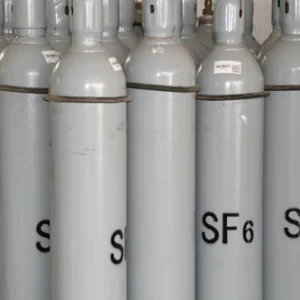
Complete your supply chain requirements with our complementary portfolio of electronic specialty gases, inorganic salts, and advanced polymers.