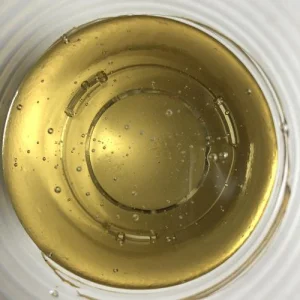
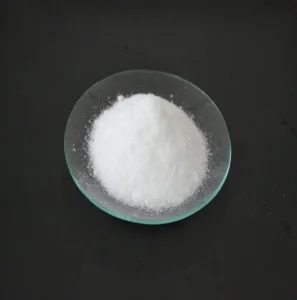
Continuous-stream synthesis, strictly compliant with international purity standards and verified by comprehensive laboratory analytics.



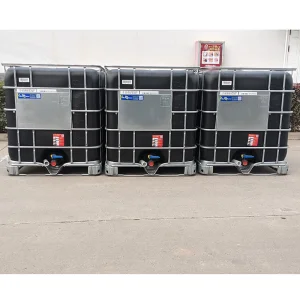
Strategic overview of structural feedstock shifts, regulatory compliance frameworks, and sustainable glycol macromolecule innovations driving global adoption.
Global procurement directives are increasingly prioritizing bio-derived Propylene Glycol (bio-PG) sourced via glycerol hydrogenolysis. Meanwhile, non-ionic surfactant manufacturing continues to adopt narrow-range ethoxylation (NRE) catalysts to slash residual volatile organic emissions, lowering carcinogenic 1,4-dioxane byproducts below the rigorous 1 ppm regulatory ceiling mandated across North American and European end-markets.
Monodisperse and narrowly distributed Polyethylene Glycols (PEG 400 to PEG 8000) are experiencing compound annual growth above 7.8% within parenteral drug compounding, lipid nanoparticle (LNP) mRNA functional delivery, and electronic wafer cleaning systems. Strict limitation of free aldehyde compounds, trace iron ions, and residual ethylene oxide remains the primary technical discriminator separating basic suppliers from premier producers.
Chemical processing operations across EMEA, LATAM, and APAC are aggressively transitioning from spot-market reliance toward fortified volume-hedged long-term contracts. Procurement teams require audited dual-track manufacturing nodes capable of withstanding petrochemical supply shocks, ensuring reliable vessel dispatches with full GHS compliance and continuous multi-batch COA traceability.
How cutting-edge domestic downstream petrochemical integration and automated precision synthesis deliver exceptional cost leadership and uncompromising quality.
Our production facilities utilize advanced tubular loop reactors operating under high-pressure nitrogen blankets. Unlike traditional batch reactors prone to variable temperature spikes and batch drift, automated loop technology ensures identical temperature gradients and micro-dosed catalyst contact. The result is a strictly controlled polydispersity index (PDI < 1.05 for mid-range PEGs) and an extraordinarily uniform molecular weight distribution across thousands of metric tons.
Situated in state-level petrochemical economic zones, our factory lines connect through direct pipeline links to ethylene oxide (EO) and propylene oxide (PO) storage reserves. This tight vertical alignment eliminates domestic intermediate transport risks, buffers raw material supply volatility, and protects commercial buyers against unexpected spot market price surges, delivering dependable quarterly price stability.
| Material Grade | Typical Average MW | Physical State (25°C) | Hydroxyl Value (mg KOH/g) | Primary Industrial Utility | Moisture Ceiling |
|---|---|---|---|---|---|
| Propylene Glycol (USP/EP) | 76.09 | Clear, Colorless Viscous Liquid | 1470 ± 10 | Food humectant, pharma excipient, cosmetics | ≤ 0.20% |
| Propylene Glycol (Industrial) | 76.09 | Clear Transparent Liquid | 1460 - 1480 | Unsaturated polyester resins, HVAC coolants, deicers | ≤ 0.50% |
| PEG 400 | 380 – 420 | Viscous Clear Liquid | 265 – 295 | Soft gelatin capsules, ink lubricants, reactive polyurethanes | ≤ 0.50% |
| PEG 1500 | 1400 – 1600 | White Waxy Paste | 70 – 80 | Tablet binders, ointment consistency regulators | ≤ 0.50% |
| PEG 4000 / 6000 | 3600 – 7000 | White Flakes / Fine Powder | 16 – 32 | Mold release agents, ceramics binders, paper coatings | ≤ 0.30% |
Translating pure chemical parameters into operational manufacturing and application performance across mission-critical sectors.
Propylene Glycol serves as the core foundation in closed-loop heat transfer and chill-loop thermal stabilization systems. Exhibiting virtually non-toxic characteristics compared to ethylene glycol, inhibited industrial PG formulations safeguard brewery cooling, dairy pasteurization lines, and food storage facilities, functioning consistently down to -45°C without line cavitation or pipe bursting.
From serving as a safe solvent for poorly water-soluble active pharmaceutical ingredients (APIs) to acting as a lubricious binder in solid compression tableting, USP-grade PEG and PG maintain precise bio-inertness. Their exceptional solvency enhances API bioavailability, stabilizes therapeutic proteins against mechanical shear, and ensures predictable release kinetics across oral dosage forms.
Industrial PG operates as an essential chain extender in the polycondensation of unsaturated polyester resins (UPR), yielding composite structural elements with elevated mechanical tensile strength, chemical corrosion resistance, and thermal durability. Concurrently, high-molecular PEG fractions serve as flexible segments in waterborne polyurethane dispersions (PUDs).
Direct responses regarding batch certification, minimum order quantities, moisture safeguards, and international bulk transport.
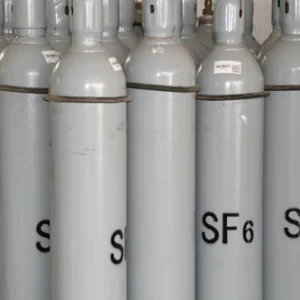
Explore our companion product lines of specialized gases, liquid rubber copolymers, and high-performance industrial salts.