Immediate deployment catalog featuring synthetic polyethers, heavy metallic nitrates, precision organometallics, and reactive chemical intermediates.
Tracking the transition from legacy low-tier bulking minerals to engineered hydromagnesite and pharma-grade precipitations across the global supply chain.
Legacy commercial carbonate magnesium powder historically operated within coarse mesh fractions (100–325 mesh). Modern compounding mandates D50 values below 2.0 microns with precise silane or stearate coupling, elevating polymer dispersibility without mechanical embrittlement.
Global decarbonization and RoHS/REACH compliance frameworks drive the phase-out of brominated compounds. Hydrated basic magnesium carbonate (4MgCO3·Mg(OH)2·4H2O) acts as an endothermic heat sink, decomposing at 220°C–350°C to dilute flammable gases and suppress dense smoke.
Stringent pharmacopeial updates (USP, EP, BP, JP) demand ultra-low heavy metal profiles. Industrial sourcing has evolved to require lead, arsenic, and cadmium residues below 1 ppm, enabling critical usage in antacid formulations, tableting excipients, and nutritional biocarriers.
Critical physical-chemical benchmarks required by Tier-1 industrial enterprises when qualifying Chinese manufacturers.
Engineered separation between Light Magnesium Carbonate (0.10–0.15 g/cm³) and Heavy Magnesium Carbonate (0.50–0.70 g/cm³) dictates processing throughput, hopper bridging resistance, and dispersion kinetics in compounding machinery.
High-end rubber compounding and specialty glass formulation mandate MgO assays ≥ 40.0% to 44.0%, with soluble CaO restricted to < 0.40%. Excess free lime causes scorch instability in elastomeric matrices and unwanted alkalinity in water treatment systems.
BET specific surface area ranging from 25 m²/g to 45 m²/g determines chemical reactivity and oil absorption capacity (DOP). Strict moisture profiles (volatile matter ≤ 1.5% at 105°C) prevent moisture voids during high-temperature polymer extrusion.
| Analytical Parameter | Light Grade (Pharma/Food) | Light Grade (Rubber/Industrial) | Heavy Grade (Technical) | Test Methodology |
|---|---|---|---|---|
| Assay (as MgO) | 40.0% – 43.5% | ≥ 40.5% | ≥ 41.0% | Complexometric Titration |
| Bulk Density | 0.12 – 0.15 g/cm³ | 0.13 – 0.18 g/cm³ | 0.50 – 0.68 g/cm³ | Tapped Density ISO 787-11 |
| Soluble Calcium Salts (CaO) | ≤ 0.35% | ≤ 0.60% | ≤ 0.50% | ICP-OES / AAS |
| Acid Insoluble Matter | ≤ 0.05% | ≤ 0.10% | ≤ 0.15% | Gravimetric Analysis |
| Heavy Metals (as Pb) | < 10 ppm (Pharma < 1 ppm) | ≤ 20 ppm | ≤ 30 ppm | Colorimetric / ICP-MS |
| Sieve Residue (325 Mesh / 45μm) | ≤ 0.02% | ≤ 0.05% | ≤ 0.10% | Wet Sieve ISO 787-7 |
Engineered magnesium carbonate deployments across high-performance polymers, energetic additives, and pharmaceutical formulations.
In ethylene propylene diene monomer (EPDM) and fluoroelastomers, carbonate magnesium acts as an effective acid scavenger (absorbing halogen radicals during thermal degradation) while serving as a reinforcing filler that enhances modulus without increasing specific gravity excessively.
Light hydromagnesite crystal flakes maximize frictional grip and tactile dryness in athletics and heavy industrial mechanical interfaces. Its micro-porous structure exhibits superior sweat and oil adsorption capacities compared to simple chalk or limestone alternatives.
Serving as an ultra-fine translucent filler and sebum-absorbing carrier, low-iron pharmaceutical-grade basic magnesium carbonate improves compressibility in color cosmetics, pressed powders, and sensitive dermal barrier formulations with zero cutaneous irritation.
Rigorous multi-stage verification workflows conforming to ISO 9001, cGMP, and international maritime transport standards.
Every individual export lot undergoes precise titration and spectral testing, producing complete Certificates of Analysis (COA) cross-verified against TDS specifications. Retained samples are archived under climate-controlled conditions for 24 months to support post-delivery audits.
Complete regulatory filing portfolio covering EU REACH full dossiers, UK REACH, US TSCA inventory compliance, and Korean K-REACH. Formulations strictly certified free of asbestos, crystalline silica, SVHC substances, and banned phthalates.
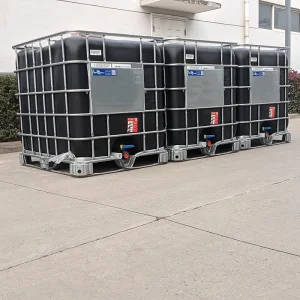
Because light carbonate magnesium is highly hygroscopic, standard export packaging integrates multi-wall valve paper bags with ultrasonic-sealed PE inner liners, shrink-wrapped on fumigated heat-treated pallets or loaded into moisture-desiccated container liners for maritime voyages.
Mapping synthesis innovations from low-emission carbonation methods to specialized electronic micro-fillers.
Pioneering Chinese manufacturers are integrating flue-gas carbon capture directly into high-yield magnesite brine carbonation reactors. By reacting captured industrial CO2 with magnesium hydroxide slurries, manufacturers achieve a negative-carbon mineral synthesis footprint while reducing production costs.
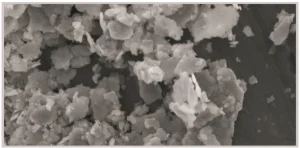
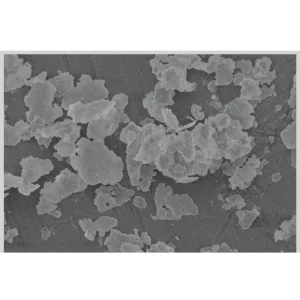
Research breakthroughs focus on controlling crystal aspect ratios. Acicular (needle-like) basic magnesium carbonate whiskers provide structural reinforcement to lightweight engineering plastics (polypropylene, polyamide), matching glass fiber reinforcement properties at lower overall weights.
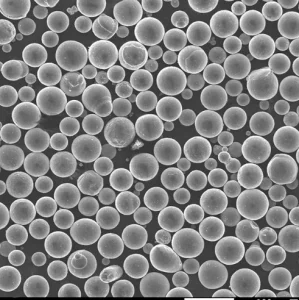
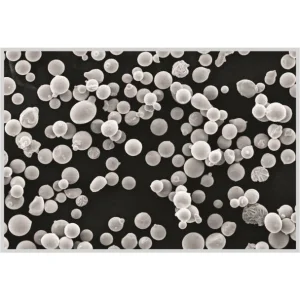
With the acceleration of 5G infrastructure, EV power control units, and advanced chip packaging, surface-functionalized spherical magnesium carbonate particles are being optimized as dielectric insulation fillers with enhanced isotropic thermal dissipation pathways.
Resolving operational queries on chemical stoichiometry, shipment preservation, and testing protocols.
Light magnesium carbonate is predominantly a precipitated hydromagnesite complex, commonly expressed as 4MgCO3·Mg(OH)2·4H2O or 3MgCO3·Mg(OH)2·3H2O, synthesized through carbonation of magnesium hydroxide slurries, resulting in loose, low-density flakes (0.10–0.18 g/cm³). Heavy magnesium carbonate (often close to anhydrous MgCO3 or basic compositions with lower hydration) is typically produced via dry mechanical ball-milling or alternative thermal synthesis, resulting in higher apparent packing densities (0.50–0.70 g/cm³) and reduced oil absorption.
Every delivery includes a lot-specific Certificate of Analysis (COA) confirming MgO assay, calcium impurity limits, heavy metals, sieve retention, and moisture. Non-hazardous inorganic salts and carbonate magnesium ship with 16-section GHS-compliant Safety Data Sheets (SDS), technical data sheets (TDS), certificates of origin (COO), and third-party inspection certifications (SGS, Intertek) upon buyer request. Flammable powders or oxidizers undergo formal IMDG/IATA dangerous goods declaration and UN packaging verification.
Yes. Chinese manufacturers utilize advanced wet classification and jet-milling equipment capable of tailoring median particle diameters (D50) between 0.8 µm and 15 µm. Furthermore, in-situ surface modification utilizing stearic acid, titanate, or silane coupling agents is available to improve hydrophobicity, lower resin viscosity, and enhance mechanical bonding in polyolefin, PVC, and masterbatch compounding lines.
Due to the high hygroscopic surface activity of basic magnesium carbonate, export packaging employs a 3-ply kraft paper or polypropylene woven exterior combined with an internal heat-welded high-density polyethylene (HDPE) film (100–120 µm thickness). Palletized shipments receive automated stretch-hood film wrapping with embedded container-floor silica desiccant bags to prevent moisture-induced caking across high-humidity equatorial trade routes.
High-specification metallic alloys, fluorinated electronics-grade gases, and terminal functionalized liquid polymers.