Engineered rubber backbones, specialty reactive polyethers, functional modifiers, and fine inorganic precursors tailored for flex rubber paint compounding and advanced surface elasticity.



Understanding the transition from conventional peelable coatings to chemically bonded, high-durability elastomeric membranes across heavy industries, automotive substrates, and structural engineering.
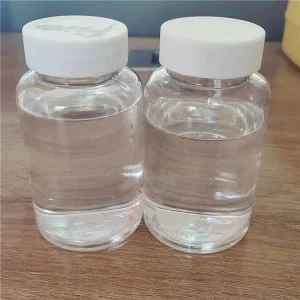
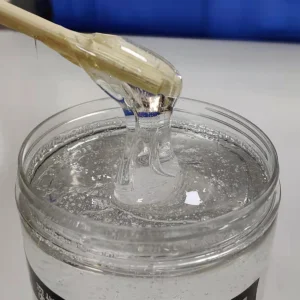
Flex rubber paint relies fundamentally on advanced liquid synthetic rubbers such as Hydroxyl Terminated Butyronitrile Rubber (HTBN) and Random Carboxy Nitrile Butadiene Rubber (L-XNBR). These liquid oligomers impart intrinsic impact dampening, extreme tensile recovery (>450%), and crack-bridging capacities across substrates subject to cyclic thermal expansion and mechanical flexing.
Utilizing Epoxidized Polybutadiene (EPB) alongside specialty polyethers introduces tunable oxirane rings into the elastomeric matrix. This chemical modification yields dual curing kinetics: high initial flow for immaculate spray leveling, followed by dense three-dimensional crosslinking that resists chemical delamination, salt spray corrosion, and fuel permeability.
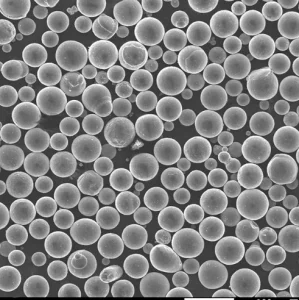
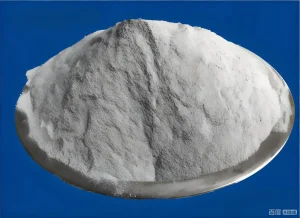
Modern flexible coating formulations incorporate high-aspect aluminum flake powders and atomized spheroid alloy matrices. By establishing an overlapping, shingle-like barrier within the cured elastomeric film, these metallic inclusions dramatically suppress moisture vapor transmission (MVTR) and offer superior UV-degradation shielding under extreme sunlight exposure.
Engineering leads and procurement executives from Europe, North America, and the Asia-Pacific look beyond baseline pigment-and-solvent ratios. They require audit-proof chemical traceability, strict batch reproducibility, and multi-substrate compatibility.
Procurement teams require comprehensive SDS, RoHS, and EU REACH Dossiers confirming non-detection of SVHCs (Substances of Very High Concern). The industrial shift demands low-VOC systems formulated with hydroxyl-terminated oligomers and glycol ethers that bypass banned aromatic plasticizers without sacrificing mechanical elastomeric resilience.
Global OEMs deploy flex rubber paints over dissimilar substrates: automotive SMC/composites, galvanized steel, rigid plastics (ABS, PC), and vulcanized rubbers. Suppliers must demonstrate verified mechanical anchor profiles and specific carboxyl/epoxy functional grafting that prevents interfacial delamination during severe thermal cycling.
Unplanned downtime caused by raw material viscosity deviations or unreacted monomer precipitation is unacceptable. B2B contracts prioritize suppliers operating ISO 9001-certified facilities capable of delivering ISO tank, drum, and intermediate bulk container (IBC) consignments backed by batch-specific GPC, FTIR, and titration analysis.
| Performance Vector | Traditional Vinyl / Rubber Aerosols | YANXA Engineered Industrial Flex Rubber Paint |
|---|---|---|
| Polymer Matrix Base | Linear hydrocarbon plastisols / PVC dispersions | HTBN / L-XNBR / EPB Functionalized Liquid Elastomers |
| Substrate Peel Strength | 0.8 – 1.4 N/mm (Easily lifts under shear stress) | 3.5 – 6.2 N/mm (Engineered chemical covalent adhesion) |
| Elongation Retention (-20°C) | < 35% (Prone to brittle micro-cracking) | > 92% (Cryogenic nitrile rubber flexibility intact) |
| Chemical & Fuel Resistance | Swelling and dissolution in aliphatic hydrocarbons | Resistant to diesel, oils, splash acids, and glycol mixtures |
| Pigment / Flake Dispersion | High agglomeration propensity, rapid settling | High shear stabilization using low MW PET Polyether carriers |
Deploying specialized polymer physics and inorganic chemistry to solve macro-scale vibration, corrosion, insulation, and wear challenges across severe environments.
The rise of high-voltage battery enclosures demands flexible protective coatings capable of delivering 10 kV/mm dielectric breakdown resistance while withstanding roadway stone chipping. Our HTBN and EPB-modified rubber coatings form continuous, non-conductive elastomeric seals that absorb stone impacts, protect cooling lines, and seal structural welds against water and electrolyte intrusion.
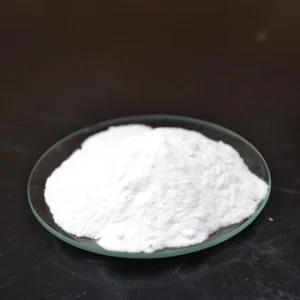
Splash zones, ballast compartments, and port cranes experience aggressive salt concentrations and structural vibration. By combining L-XNBR liquid nitrile elastomers with micronized aluminum flake powder and anti-caking tricalcium phosphate fillers, YANXA provides coating raw materials that create impermeable, corrosion-halting flexible skins that resist delamination under wave slamming.
Chutes, vibratory feeders, and transport hoppers suffer from severe gouging and slurry abrasion. Flex rubber paints enriched with epoxidized polybutadiene and high-purity inorganic structural fortifiers dissipate mechanical kinetic energy via viscoelastic deformation, extending underlying equipment operational lifespans by up to 300% over bare hard steel.
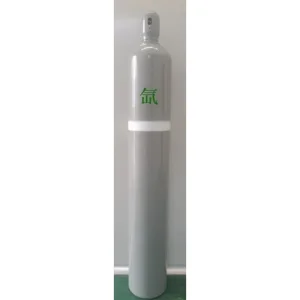
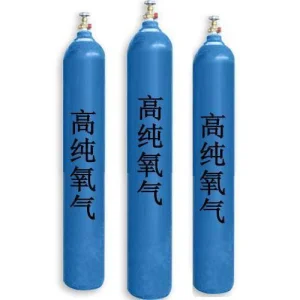
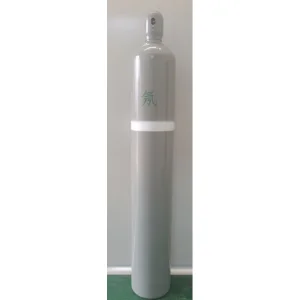
From Class 4.3 reactive metallic powders to Class 2.2 specialty compressed gases and temperature-sensitive reactive polymers, YANXA ensures certified, documented handling from factory gate to global port.
We deploy certified steel drums, nitrogen-purged hermetic containers, and tested pressure vessels for flammables and reactive liquid rubbers. Every export lot complies with IMDG (International Maritime Dangerous Goods) and ICAO/IATA standards, accompanied by valid UN Performance Packaging Certificates.
Eliminate customs quarantine and laboratory delays. Every shipment is delivered with comprehensive batch Certificates of Analysis (COA) specifying Brookfield viscosity, molecular weight (Mw/Mn), active solid content, moisture (Karl Fischer ≤ 0.05%), and residual monomer limits, backed by 16-section GHS SDS.
For thermally reactive resins like Epoxidized Polybutadiene and specialized gas-atomized reactive powders, our logistics team coordinates temperature-monitored refrigerated reefers, dry blanket desiccant barriers, and continuous datalogging to safeguard raw material stability throughout ocean transit.
Driving forward-looking R&D across functional elastomers, self-healing matrices, bio-based precursors, and semiconductor-compatible plasma processes.
Engineering zero-VOC, waterborne carboxylated nitrile rubber (XNBR) micro-emulsions to replace traditional solvent-heavy flex paint bases without forfeiting mechanical tear strength or water resistance.
Synthesizing reversible Diels-Alder adducts within liquid rubber backbones, enabling flex coatings to autonomously close micro-fissures induced by gravel impact and thermal expansion cycles at ambient temperatures.
Integrating high-purity gas-atomized spherical aluminum powders into tailored polyether-elastomer networks to achieve 2.5 W/m·K in-plane thermal conductivity for EV battery cell potting and flexible circuit protection.
Commercializing medium and low molecular weight PET polyethers derived from chemically recycled post-industrial polyester streams, reducing lifecycle cradle-to-gate carbon footprints by over 42%.
Direct answers for formulation chemists, supply chain officers, and operations executives evaluating industrial rubber coatings and precursors from China.
Hydroxyl-terminated polybutadiene/butyronitrile (HTBN) possesses reactive terminal -OH groups that react with isocyanates, epoxies, and polycarboxylic crosslinkers without premature acid-catalyzed gelling. This delivers longer pot life in 2K spray systems, superior moisture resistance, and exceptional tensile recovery at sub-zero operating temperatures down to -40°C.
Aluminum flake acts as a physical barrier pigment. Due to its leafing or non-leafing laminar morphology, the flakes self-align into overlapping parallel layers throughout the rubber film during solvent evaporation. This reduces water vapor permeability, blocks UV light from degrading the polymer chains, and adds mechanical reinforcement against abrasion.
Yes. By fine-tuning the molecular weight distribution (Mw/Mn) of our liquid nitrile rubbers (L-XNBR, HTBN) and adjusting polyether polyol blends, we engineer polymers to achieve target viscosities ranging from 2,000 mPa·s to 120,000 mPa·s at 25°C, ensuring compatibility with robotic and hand-held airless spray configurations.
All production lots undergo standardized testing before dispatch. Polymers are evaluated by Gel Permeation Chromatography (GPC), hydroxyl/carboxyl value titration, and Brookfield viscometry. Metallic powders are inspected for particle size distribution (D10, D50, D90) using laser diffraction and gas pycnometry, with every parameter detailed on the Certificate of Analysis.
When stored in original, unopened steel containers purged with dry nitrogen at temperatures between 10°C and 25°C, shelf life is guaranteed for 12 months from manufacturing date. Exposure to direct sunlight, high moisture, or ambient oxygen must be avoided to prevent premature oxirane ring opening or oxidation crosslinking.
Comprehensive supply lines covering gas-atomized spherical powders, noble atmospheric gases, reactive modifiers, and intermediate chemical agents.