Precision-engineered elastomeric polymers, Hydroxy-Terminated Polybutadiene (HTPB), vinyl-functional liquid rubber, and high-performance cold-applied liquid waterproofing membranes for industrial infrastructure and global supply chains.
Explore our export-ready certified specialty chemical solutions, hydroxyl-terminated elastomers, high-purity inorganic nitrates, and advanced industrial compounds formulated to international ASTM and ISO specifications.


Analyzing structural waterproofing dynamics, elastomeric elongation mechanics, substrate compatibility, and life-cycle economics across modern civil and industrial infrastructure.
Bridge decks and elevated viaducts experience extreme dynamic loading, freeze-thaw cracking, and aggressive deicing salt exposure. Our liquid rubber formulations leverage functionalized polybutadiene (HTPB and HTBS) polymers that exhibit unmatched thermal crack bridging capability down to -40°C, high puncture resistance, and continuous adhesion to concrete and steel substrates.
Harsh splash zones, marine moisture, UV radiation, and tidal cycles demand impervious chemical barriers. By integrating epoxidized liquid rubbers (EPB) and solvent-free cold polyurethanes, our deck coatings prevent chloride ion ingress into steel rebar networks, arresting electrochemical corrosion and extending civil asset longevity beyond 30 years without seam delamination.
Multi-story flat roofs, landscaped rooftop terraces, and pedestrian plazas require lightweight, low-VOC elastomeric membranes that resist heavy foot traffic and root intrusion. Our monolithic, self-leveling cold liquid rubber dries to form a flexible, rubber-like barrier that tolerates thermal expansion coefficient differentials between concrete slabs and perimeter flashings.
Petrochemical tank farms, battery energy storage facilities, and acid processing plants require chemical-resistant coatings capable of containing aggressive chemical spills. Our vinyl-terminated and epoxy-modified liquid rubber matrices withstand localized chemical attacks, aromatic hydrocarbons, inorganic nitrate solutions, and extreme thermal shocks without embrittlement.
How international regulatory shifts, environmental mandates, and synthetic polymer advancements are driving the transition from bituminous membranes to advanced cold-applied elastomeric liquid systems.
Traditional torch-applied asphalt and bituminous felt membranes pose severe fire hazards during installation, release hazardous toxic fumes, and deteriorate rapidly under persistent UV exposure. In contrast, modern engineered liquid rubber coatings from Chinese precision manufacturing centers offer cold-fluid application, zero hot-work permits, and complete seamless encapsulation of irregular architectural details.
As a leading Chinese manufacturer and supplier, Yanxatech System Industries Limited integrates upstream chemical synthesis—including functionalized polybutadienes (HTPB), hydroxyl copolymers (HTBS), and specialty polyether polyols—directly into downstream deck coating compounds. This vertical integration buffers international buyers from raw material price shocks and ensures batch-to-batch chemical purity.
Commercial asset managers in North America, Europe, and the Middle East prioritize 25+ year lifecycle return-on-investment (ROI). Liquid rubber deck coating membranes reduce long-term maintenance costs by up to 45% compared to sheet goods, eliminating periodic joint resealing, reducing thermal loads on building envelopes, and enabling simple recoatability over existing membranes.
| Performance Parameter | Liquid Rubber Deck Coating (HTPB / Polybutadiene) | Two-Part Polyurethane (Solvent-Based) | Modified Bitumen Sheet Membrane | Standard Acrylic Coating |
|---|---|---|---|---|
| Ultimate Elongation (ASTM D412) | 800% – 1050% | 350% – 550% | 150% – 250% | 100% – 200% |
| Tensile Strength (MPa) | 4.2 – 6.5 MPa | 5.0 – 8.0 MPa | 2.5 – 4.0 MPa | 1.2 – 2.0 MPa |
| Seamless Continuous Membrane | 100% Monolithic | 100% Monolithic | Contains Overlapped Seams | 100% Monolithic |
| Low-Temperature Flexibility | Retains elasticity at -45°C | Cracks at -20°C | Brittle below -10°C | Embrittles at 0°C |
| Water Vapor Permeance (Perms) | < 0.04 (Impervious) | < 0.15 | < 0.08 | > 2.5 (Breathable/Permeable) |
| VOC Content (EPA Method 24) | < 10 g/L (Waterborne/High Solids) | 150 – 350 g/L | N/A (Hot fumes) | < 50 g/L |
Yanxatech System Industries Limited delivers end-to-end technical governance, auditable batch tracking, international test standard verification, and dedicated logistical compliance for hazardous and non-hazardous materials.
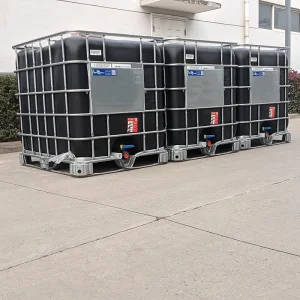
Every drum and intermediate bulk container (IBC) of liquid rubber base polymers leaves our facilities backed by comprehensive Certificate of Analysis (COA) data. Our coatings are rigorously tested against ASTM C836 (Cold Liquid-Applied Elastomeric Membrane), ASTM D412 (Tensile Properties), ASTM D903 (Adhesion Strength), and ISO 9001 auditable quality systems.
To support green building initiatives worldwide, our liquid rubber deck formulations comply with EU REACH Annex XVII, RoHS environmental thresholds, and LEED v4 criteria for Low-Emitting Materials. Our solvent-free and water-emulsified formulas protect applicators and surrounding occupants from hazardous air pollutants (HAPs).
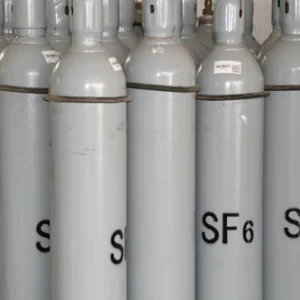
From compressed gases (SF6, CF4, Electronic Helium) and oxidizing metal nitrates to moisture-sensitive liquid polybutadiene rubbers, our logistics team operates in full compliance with UN Model Regulations, IMDG (maritime cargo) and IATA (air freight). We provide certified UN-approved packaging, GHS labeling, and bilingual technical documentation.
Our polymer chemists do not simply supply off-the-shelf chemicals. We collaborate with international coating contractors and chemical formulators to adjust glass transition temperatures (Tg), cure kinetics, thixotropy, and reinforcing filler dispersion, ensuring optimum sprayability or roller application under local climatic extremes.
Comprehensive step-by-step methodologies for applying liquid rubber deck coating systems across high-performance architectural, transport, and structural interfaces.
Success begins at the concrete interface. Substrates must achieve an International Concrete Repair Institute (ICRI) Concrete Surface Profile (CSP) of 3 to 4 via diamond grinding or shot blasting. Moisture vapor emission rates (MVER) must be tested using ASTM F1869 (Calcium Chloride) or ASTM F2170 (in-situ relative humidity probes) to ensure levels below 85% RH before applying specialty penetrating primers.
Dynamic movement joints, scuppers, and deck-to-wall cant transitions are pre-treated using high-modulus elastomeric liquid rubber embedded with spun-bonded non-woven polyester geotextile reinforcing fabric. This creates a flexible, reinforced bridge capable of dissipating cyclic structural shear stress without blistering or splitting the topcoat.
The base membrane is applied using heavy-duty airless spray machinery (minimum 3000 PSI) or serrated squeegees in a cross-hatch multi-pass technique to achieve a continuous dry film thickness (DFT) between 1.5 mm and 2.0 mm (60 to 80 mils). Pinholes are eradicated through precise surface tension control and balanced thixotropic rheology additives.
For vehicular traffic decks and pedestrian pool surrounds, the intermediate coat is broadcast to refusal with kiln-dried aluminum oxide or silica quartz aggregate (0.4 – 0.8 mm). A UV-stable aliphatic polyaspartic or polyurethane seal coat locks the aggregate in place, delivering high slip resistance (British Pendulum Tester PTV > 36 under wet conditions) and tire scuff resistance.
Outlining the strategic evolutionary trajectory of liquid rubber polymers, bio-based polyols, self-healing molecular chains, and AI-optimized chemical synthesis.
Scaling up high-purity Hydroxy-Terminated Polybutadiene (HTPB) and vinyl-terminated polybutadiene (EPB) with narrowed molecular weight distributions (Mw/Mn < 1.25). Optimizing moisture-curing kinetics to allow rapid rain-safe performance within 2 hours of application at 10°C.
Synthesizing sustainable polyether polyols derived from recycled PET waste streams and plant-based renewable triglycerides. Drastically reducing the cradle-to-gate carbon footprint of industrial liquid waterproofing systems while preserving tensile strength (>5.0 MPa).
Engineering reversible dynamic hydrogen-bonding motifs and micro-encapsulated silane curing agents into the liquid rubber polymer matrix. Enabling microscopic micro-cracks induced by seismic shifts to autonomously reform and seal without external human intervention.
In-depth technical and logistical clarity for procurement managers, structural consultants, and industrial coatings distributors.
Complete product spectrum covering specialty PET polyethers, atomized metallurgical flake powders, high-purity etching gases, and organic/inorganic salts manufactured by Yanxatech System Industries Limited.