High-grade metallic precursors, specialized polymers, and specialty gases manufactured to rigorous international purity benchmarks and technical data specifications.


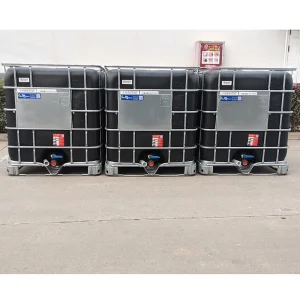
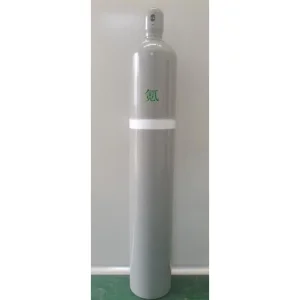
Monomethylhydrazine (MMH, CAS 60-34-4) synthesis requires stringent thermodynamic controls, continuous catalytic distillation, and rigorous impurity profiling to satisfy high-reliability industrial and defense specifications.
The standard industrial synthesis utilizes a modified Raschig process involving the reaction of monochloramine (NH2Cl) with monomethylamine (CH3NH2) in an aqueous alkaline matrix. Precision temperature mitigation is executed to suppress side-reactions forming ammonium chloride and diazene compounds.
Modern production facilities utilize tubular continuous-flow reactors paired with micro-channel heat dissipation, ensuring a molar conversion yield exceeding 82% prior to vacuum fractionation.
Because Methyl Hydrazine forms a stable, maximum-boiling azeotrope with water at approximately 119.8°C, conventional atmospheric distillation is insufficient. Multi-stage pressure-swing distillation combined with extractive dehydrating agents (such as concentrated caustic soda or solid potassium hydroxide beads) yields moisture suppression below 0.3% w/w.
Subsequent cryogenic-chilled inert fractional columns refine assay purities up to ≥99.5% with ultra-low trace iron (<0.1 ppm).
Methyl Hydrazine reacts aggressively with oxygen to yield explosive organic peroxides and degraded hydrazones. Industrial synthesis lines in China implement continuous inline bubbling of high-purity nitrogen (99.999%), reducing dissolved dissolved O2 to under 2 ppm.
Every processing manifold, storage buffer, and transit container utilizes electropolished 316L stainless steel, titanium, or specially passivated PTFE-lined vessels to eliminate trace metal contamination.
How transnational enterprises navigate supply continuity, high-spec custom derivatives, and long-term supply hedging for Methyl Hydrazine synthesis products.
In aerospace applications, Monomethylhydrazine functions as an irreplaceable storable liquid hypergolic rocket propellant when paired with Dinitrogen Tetroxide (N2O4 / MON-3). Buyers require low freezing points (-52.4°C), extreme thermal stability during long-term satellite orbital storage, and strict absence of catalytic particulates to prevent thruster injector fouling.
Monomethylhydrazine represents a pivotal synthons for the heterocyclic construction of active pharmaceutical ingredients (APIs). It is extensively used in the synthesis of oncology therapeutic agents (such as Procarbazine), novel neurological modulators, and pyrazole-derived anti-inflammatory medications requiring exact stoichiometry and zero residual chlorinated hydrocarbons.
Global crop science multinationals source methyl hydrazine and hydrazine hydrate precursors to synthesize modern fungicides, triazole herbicides, and advanced insect growth regulators. Sourcing priorities center around high delivery volumes, consistent multi-ton lot uniformity, reduced free hydrazine toxicity, and cost predictability.
Enterprise-scale chemical sourcing entails systematic management of regulatory barriers, logistics safety, and raw chemical price fluctuations.
Because downstream hydrazine synthesis is highly dependent on basic feedstock commodities (ammonia, chlorine, caustic, and monomethylamine), supply bottlenecks at chlor-alkali complexes directly induce dramatic market volatility. We operate closed-loop manufacturing integration at scale in dedicated chemical parks in China, ensuring continuous baseline chemical availability even during peak power rationing or environmental review intervals.
This allows enterprise buyers to lock in fixed-rate rolling 12-month delivery contracts, safeguarding operational margins against international spot-market fluctuations.
Methyl Hydrazine is governed by intense global transport legislation due to its vapor toxicity, flammability, and corrosiveness (UN 1244, Hazard Class 6.1, Subsidiary Risk 3, 8, Packing Group I). We maintain dedicated fleets of UN-certified T14/T20 ISO tank containers engineered with nitrogen head-space blankets and dual-shell pressure sensors.
Integrated intermodal tracking gives client supply chain directors real-time visibility into telemetry, continuous core temperature monitoring, and GPS-verified route progression from factory terminal to international deep-water seaports.
Strategic milestones transforming hazardous hydrazine manufacturing through micro-reactor flow, electrochemical synthesis, and hypergolic emission abatement.
Replacing batch stir tanks with continuous microreactors to minimize hazardous reaction inventory from kiloliters down to milliliters, virtually eliminating thermal runaway risk.
Transitioning from stoichiometric chloramine pathways to green catalytic direct amination using urea/peroxide carriers, eliminating sodium chloride waste streams entirely.
Development of ionic liquid hydrazine blends and alkyl-substituted hydrazinium nitrate solvates that cut vapor toxicity by up to 90% while matching MMH impulse metrics.
Direct electrocatalytic conversion of bio-derived nitrogen feedstocks and methyl intermediates driven by renewable power sources, achieving net-zero carbon chemical synthesis.
Rigorous multi-tiered oversight ensuring frictionless global customs clearance, hazardous materials safety, and full dual-use non-proliferation compliance.
Full implementation of standardized quality, environmental protection, and occupational safety systems across all synthesis, purification, and storage installations. Certified automated lot sampling ensures end-to-end traceability for every drum or bulk cylinder leaving our premises.
Export parcels feature verified multi-lingual GHS safety data sheets (SDS) with destination-specific REACH Only Representative (OR) coverage, US EPA TSCA statements, and precise ECHA registration compliance for chemical importers within the European Union and North America.
As hydrazine precursors fall under multilateral export control regimes and the Chemical Weapons Convention (CWC) Schedule classifications, our dedicated trade legal department handles end-user declarations (EUDs), import-export dual-use permits, and government-to-government documentation efficiently.
Direct answers to the most critical inquiries from chemical engineers, sourcing managers, and regulatory directors.
High-specification atomized metal alloys, functional elastomers, dielectric insulation media, and specialty synthetic rubbers from our direct production lines.