Precision functional oligomers, advanced polyols, and tailored polyurethane elastomers. Direct-from-source synthesis with full batch COA, ISO 9001 compliance, and international bulk logistics for high-demand industrial systems.
Explore specification-engineered liquid rubbers, functional grafting agents, and industrial intermediates optimized for elastomeric cross-linking, extreme adhesion, and thermodynamic resilience.
A rigorous examination of prepolymer architecture, crosslink density calibration, and the mechanical evolution of two-component elastomeric systems.
Modern industrial applications demand strict polydispersity indices (PDI < 1.8). Controlled oligomer backbone chains ensure optimal shear-thinning behavior, reducing pumping friction during high-pressure spray impingement and precision mold injection casting.
Fine-tuning the isocyanate index allows formulations to traverse the spectrum from high-elongation, soft caulking gels (Shore 30A) to ultra-abrasion-resistant structural polyurethane armor (Shore 85D), delivering tailored chemical resistance against acids and petrochemical solvents.
By blending specialized low-molecular polyethers with functional liquid diene rubbers (ATBN, MLPB, CTBN), chemists achieve precise nanoscale phase segregation between hard crystalline domains and soft polybutadiene segments, yielding exceptional tear-propagation resistance.
Enterprise chemical procurement leaders balance volatile raw chemical markets, strict carbon accounting, and stringent continuous-run production requirements.
| Procurement Pillar | OEM & Buyer Vulnerability | Factory Strategic Solution | Verification Standard |
|---|---|---|---|
| Direct-Source Economics | Layered distributor markups, speculative broker trading, and opaque surcharge escalation. | Direct synthesis plant pricing with indexed isocyanate-polyol formula tier contracts and tiered bulk discounts. | Transparent Cost Breakdown (BOM Model) |
| Batch Reproducibility | Drift in prepolymer amine/hydroxyl values, leading to variable pot-life and catastrophic line stoppage. | Automated reactor sequencing, in-line infrared spectroscopy (FTIR), and dedicated lot retention tracking. | Every-lot COA with ASTM D4274/D2572 validation |
| Logistics Compliance | Customs demurrage, misdeclared Dangerous Goods (DG Class 8/9), and damaged container moisture ingress. | UN-certified steel drums, desiccated nitrogen blanket purging, and complete IMDG/IATA compliant dossiers. | Independent SGS / Intertek inspection ready |
| ESG & VOC Abatement | Stricter regional REACH, California Prop 65, and national solvent emission bans on construction sites. | Development of zero-solvent, zero-plasticizer, 100% reactive solids liquid elastomer systems. | ISO 14001, RoHS, and EU REACH compliant declarations |
Delivering high-performance polymer formulations across infrastructure, renewable energy, and heavy industrial engineering.
Seamless, cold-applied liquid rubber polyurethane membranes bridge structural crack lines dynamically across bridges, subway tunnels, and commercial roofing, eliminating fire hazards caused by open flame torching.
Polyurethane elastomer leading-edge protection (LEP) shields offshore wind turbine blades against supersonic raindrop erosion, salt mist degradation, and severe UV solar radiation, optimizing power uptime.
Castable liquid rubber polyurethane linings absorb slurry impact in hydrocyclones, chutes, and vibrating screens, offering up to 8x the operational lifespan of traditional manganese steel alloy plates.
Yanxatech operates an integrated quality control management system backed by global safety certifications, mitigating cross-border chemical trade bottlenecks.
Fully certified quality workflows across raw material receipt, polymerization, flash distillation, and drum decanting with multi-point automated checkpoints.
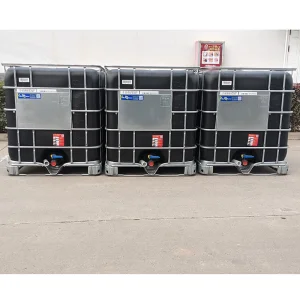
Shipments packed in certified heavy-gauge drums, composite IBCs, or ISO intermodal tanks with vacuum degassing and inert nitrogen padding to prevent gelation.
Bilingual, 16-section Globally Harmonized Safety Data Sheets (GHS SDS), precise classification declarations, and full chemical substance inventory alignment.
Experienced technical chemical representatives provide direct consulting on gel kinetics, demold accelerators, mixing stoichiometry, and rheological modifiers.
Continuous investment into bio-based precursors, self-healing supramolecular networks, and digital quality monitoring.
Targeting up to 45% bio-based carbon content sourced from renewable castor, soybean, and lignin oil derivatives, matching the mechanical resilience of traditional petro-based polymers while reducing lifecycle CO2 footprints.
Incorporating reversible covalent bonds within polyurethane elastomers to enable autonomous micro-crack closure under ambient or low-temperature thermal stimuli, drastically extending critical maintenance intervals.
Predictive molecular modeling neural networks cross-correlate environmental temperature, relative humidity, and polyol viscosity gradients to generate custom-adjusted curing catalyst packages for local climates.
Comprehensive answers addressing common formulation inquiries, commercial MOQ terms, testing protocols, and international shipping logistics.
Unopened containers stored in a dry, dark warehouse between 15°C and 25°C typically have a shelf life of 12 months. Since isocyanate-terminated prepolymers react vigorously with moisture to produce CO2 gas and insoluble polyureas, drums are vacuum-degassed and backfilled with dry nitrogen. Once opened, containers should be purged with inert gas before resealing.
Yes. Our chemical engineering team regularly develops tailored polyurethane prepolymers with exact NCO percentages (from 3.0% to 22.0%), adjusting the stoichiometric catalyst package (organobismuth, tin-free, or amine accelerators) to hit specific open pot-life targets ranging from 45 seconds to several hours.
Standard export packaging includes 20 kg steel pails, 200 kg heavy-gauge UN-certified steel drums, and 1,000 kg intermediate bulk containers (IBCs). For specialized grades, our MOQ starts at 1 metric ton (5 drums), while standard commercial formulations ship in full 20-foot container loads (FCL, approx. 16–18 MT palletized).
Every manufactured batch is issued a comprehensive Certificate of Analysis (COA) specifying Brookfield viscosity, NCO/hydroxyl content, specific gravity, moisture (Karl Fischer titration < 0.05%), and color index. Third-party testing verification through SGS, TÜV, or Intertek can be coordinated upon contract agreement.
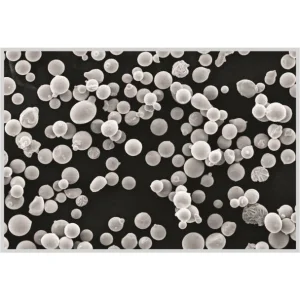
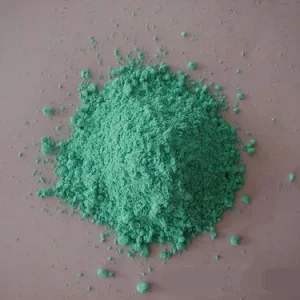
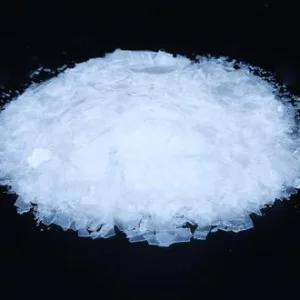
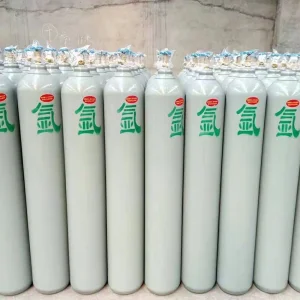
Browse our integrated chemical line, spanning atomized metallic powders, inorganic precursors, noble gases, and specialty synthetic rubbers.