


Premium liquid rubber precursors, high-performance polyethers, and ultra-pure industrial gases manufactured for demanding global applications.






Strategic transition from multi-ply bitumen, EPDM, and PVC sheet membranes to seamless, monolithic liquid elastomeric barriers across commercial real estate portfolios.
Traditional modified bitumen and single-ply membranes (TPO/EPDM) inevitably suffer seam degradation, mechanical fastening fatigue, and flashing detachment. Liquid rubber roof paint cures in-situ into a fully adhered, seamless rubber blanket that completely encapsulates penetrations, parapet walls, fasteners, and HVAC curbs, eliminating capillary moisture intrusion.
Infused with specialized reflective titanium dioxide pigments and hollow ceramic thermal microspheres, liquid rubber coatings achieve exceptional Solar Reflectance Index (SRI > 105). This drastically diminishes the urban heat island effect, reduces building roof surface temperatures by up to 35°C (63°F), and curtails commercial air conditioning utility draw by 20% to 35%.
Tear-off re-roofing incurs catastrophic labor costs, structural disruption, and massive landfill tipping fees. Applied directly over sound substrates including aged metal panels, weathered single-ply, and asphaltic surfaces, liquid rubber coatings extend industrial asset life cycles by 15 to 25 years at roughly one-third the capital expenditure of structural re-roofing.
Formulated with advanced functionalized synthetic rubbers, styrene-butadiene copolymers, carboxylated elastomeric emulsions, and aliphatic crosslinkers for extreme tensile toughness.
Our formulations leverage advanced carboxylic acid-functionalized liquid butadiene copolymers. When paired with polyfunctional curing agents, these groups construct ionic and covalent matrix networks offering unmatched chemical resistance against industrial acid precipitation, airborne hydrocarbons, aliphatic oils, and pooling stormwater.
Substrates experience continuous expansion and contraction under diurnal thermal cycling. With elongation capacity surpassing 850% and elastic memory retention > 90%, the membrane stretches without tearing across micro-fissures and dynamically moving joints even at sub-zero temperatures down to -40°C (-40°F).
Incorporating synergistic Hindered Amine Light Stabilizers (HALS) and nano-scale zinc/titanium photo-blocking oxides, the cured film repels destructive UV-A and UV-B radiation. The polymer matrix prevents molecular chain scission, micro-chalking, hardening, and embrittlement over decades of extreme sunlight exposure.
| Performance Characteristic | High-Grade Liquid Rubber (YANXA) | Standard Acrylic Coating | 100% Silicone Roof Coating | Bituminous Torch-Down |
|---|---|---|---|---|
| Ultimate Elongation (ASTM D412) | 850% – 1100% | 250% – 350% | 200% – 450% | 30% – 50% |
| Tensile Strength (ASTM D412) | 2.8 – 3.8 MPa | 1.4 – 1.8 MPa | 1.2 – 2.0 MPa | > 5.0 MPa (Rigid) |
| Ponding Water Resistance | Impermeable / Indefinite | Re-emulsifies under standing water | Excellent | Moderate (Seams fail) |
| Permeance (ASTM E96) | < 0.08 Perms (Vapor Retarder) | 3.0 – 5.0 Perms (Breathable) | 2.0 – 4.0 Perms | < 0.1 Perms |
| Tear Resistance (ASTM D624) | 28 kN/m | 12 kN/m | 7 kN/m (Low Tear) | High (Reinforced) |
Adapting liquid rubber elastomeric roof systems to distinct geophysical environments, thermal regimes, and regulatory codes worldwide.
Engineered with fast-skinning hydrophobic polymers and broad-spectrum encapsulated biocides. Resists continuous downpours, severe ponding water, and algae/mold colonization while achieving complete film cure under 90%+ relative humidity environments.
Optimized for thermal shock resistance where roof surfaces reach 85°C during daylight and plummet dramatically overnight. Advanced aliphatic polymers avoid brittleness and resist blowing abrasive silica sand erosion common in desert logistics centers.
Preserves low-temperature glass transition (Tg < -45°C). Accommodates intense freeze-thaw cycles, snow drift shearing, and heavy ice accumulation without micro-fracturing or losing adhesive grip on substrate seams.
Exceptional salt spray barrier (tested > 3,000 hours ASTM B117) safeguarding corrugated metal decks, coastal hangars, and petrochemical terminals from atmospheric chloride pitting, oxidation, and electrochemical galvanic breakdown.
Harnessing complete upstream petrochemistry integration, multi-ton automated emulsion reactors, and seamless dangerous-goods international shipping channels.
Our advanced industrial plants operate adjacent to core domestic refining complexes. By securing continuous direct pipeline supply of butadiene, acrylonitrile, acrylic monomers, and specialty inorganic nitrates, we protect OEM and contract blending partners against the price spikes and material shortages common in Western regional markets.
Equipped with computerized high-shear dispersion units, multi-ton vacuum polymer reaction vessels, and automated canning lines. We process wholesale orders ranging from 20-foot full container loads (FCL) to customized multi-thousand metric ton annual contracts with precise batch-to-batch rheological reproducibility.
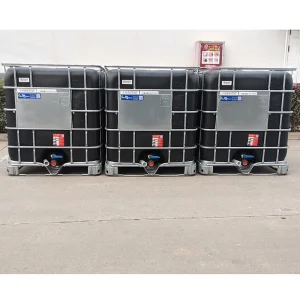
Backed by over a decade of international freight compliance, our export operations handle both general cargo polymers and regulated Class 4/Class 5 chemicals. Every shipment complies fully with IMDG and IATA regulations, supported by UN-certified intermediate bulk containers (IBCs), drums, and complete batch documentation.
Pioneering chemical research initiatives bridging smart materials, passive cooling nanotechnology, and carbon-neutral bio-based feedstocks.
Next-generation R&D incorporates tailored micro-pore polymeric matrices that emit infrared energy directly into the cold celestial atmospheric window (8–13 μm wavelength). This technology cools roof surfaces below the ambient air temperature without consuming external power, establishing true zero-energy thermal protection.
Integrating microencapsulated dynamic reversible cross-linking agents into the liquid rubber baseline. When hail impact, structural shear, or installation maintenance puncturing fractures the membrane, the microcapsules rupture, releasing healing resins that seal micro-tears autonomously upon exposure to moisture.
Targeting strict Scope 3 corporate ESG mandates, our chemical engineers are replacing fossil-derived components with sustainable plant-derived polyols and recycled functional crumb rubber up to 30% by weight, cutting cradle-to-gate embodied carbon while maintaining high tensile toughness.
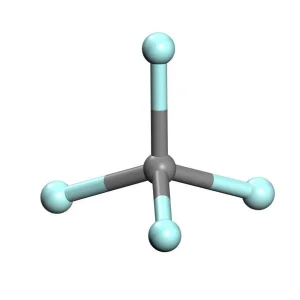
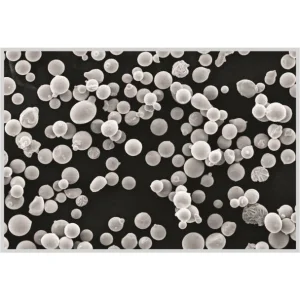
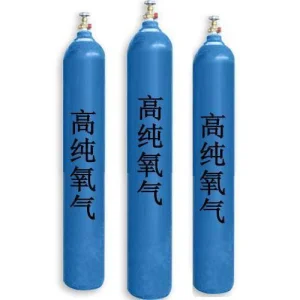
High-specification metal flake pigments, insulating gases, and specialized polyethers supporting performance-critical manufacturing.






Rigorous multi-stage analytical inspection supporting international procurement compliance, environmental safety, and structural insurance underwriting.
Every lot undergoes strict batch-testing compliant with ASTM C836 (Cold Liquid-Applied Elastomeric Membrane), ASTM D6083 (Liquid Applied Acrylic and Rubber Roof Coatings), and European CE EN 1504-2 standards. We supply full testing dossiers including third-party SGS/BV inspection certificates upon contract request.
Formulated without coal tar, heavy metal plasticizers, or toxic ozone-depleting aromatic solvents. Meets California SCAQMD Rule 1113, EU REACH Annex XVII, and RoHS criteria (< 15 g/L VOC). Ensures clean application in enclosed structures, schools, hospitals, and pharmaceutical production facilities.
We provide full application guidelines for industrial contractors. Systems can be applied via professional airless spray equipment (operating pressure > 3,000 PSI at 1.5–2.5 GPM), heavy-nap nap rollers, or squeegees. Recommended dry film thickness (DFT) spans 1.0 mm to 1.5 mm (40 to 60 mils) across a two-coat system.
Expert guidance addressing substrate preparation, compatibility, global logistics, and custom OEM manufacturing.
Surfaces must be structurally sound, dry, and thoroughly cleared of dirt, loose rust, chalking, and oil. For oxidized metal roofs, high-pressure washing (≥ 3,000 PSI) combined with an anti-corrosion primer is recommended. Concrete surfaces require mechanical preparation (CSP 2-3 profile) with moisture vapor emission rates below 3 lbs/1,000 sq ft/24 hrs (ASTM F1869).
Yes. Liquid rubber offers broad substrate compatibility. For aged EPDM and smooth modified bitumen, it adheres directly after degreasing. On weathered TPO and highly chalked single-ply assemblies, we recommend a thin application of our reactive adhesion-promoter primer to maximize chemical peel adhesion (> 3.5 N/mm per ASTM D903).
Water-based acrylic coatings re-emulsify, soften, and blister under prolonged standing water. Liquid rubber formulations crosslink into an impermeable vulcanized polymer network that resists water absorption (< 1.5% per ASTM D471) indefinitely, making them well suited for low-slope, flat industrial roofs with poor drainage.
Yes. As a primary manufacturer, we support extensive contract blending and OEM manufacturing. We can adjust solids content (from 60% to 85%), optimize open cure time for local climates, match custom architectural colors (RAL/Pantone), and supply product in custom-branded 20L pails, 200L steel drums, or 1,000L IBC totes.
