Pre-inspected energetic raw materials, high-density alloy powders, and ultra-pure gases produced under auditable ISO 9001:2015 frameworks.
Authoritative metallurgical and chemical analysis on liquid monomethylhydrazine physical-chemical behaviors, volumetric thermal stability, and mass-flow engineering specifications.
In high-demand chemical processing, propulsive thermodynamics, and specialty organic synthesis, Monomethylhydrazine (MMH, CH₆N₂) functions as a critical hypergolic propellant component and energetic synthesis precursor. Determining and standardizing the methyl hydrazine density profile across varying ambient and pressurized states is not simply an exercise in laboratory validation; it directly governs bulk metering precision, thermal expansion tolerances in transport tanks, chemical stoichiometry in pharmaceutical syntheses, and ballistic performance in aerospace thrusters.
Standard density ratings for anhydrous methyl hydrazine remain rigorously controlled at 0.874 g/cm³ to 0.876 g/cm³ at 20°C (68°F). Even minute volumetric shifts indicate either moisture ingress (formation of monomethylhydrazine hydrates), oxidation-induced decomposition into nitrogen gas, methane, and dimethyl derivatives, or excessive atmospheric carbon dioxide absorption yielding carbazate crystalline sediments. Yanxatech System Industries Limited (YANXA) implements strict digital density oscillation-tube analysis alongside Karl Fischer coulometric titration to verify assay levels ≥98.5%–99.5%, maintaining traceable consistency for global tier-1 buyers.
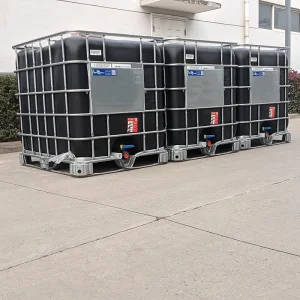
The volumetric thermal expansion coefficient of methyl hydrazine is approximately 0.00118 K⁻¹ between 0°C and 40°C. In high-capacity ISO tank containers (T20/T22 rating) or nitrogen-blanketed UN 1A1 drums, filling limits must be computed dynamically using the maximum expected maritime voyage temperature to avoid catastrophic hydraulic pressure buildups.
| Physical / Chemical Property | Standard Specification Value | Testing Protocol / Instrumentation | Impact on Industrial Formulation |
|---|---|---|---|
| Liquid Density (@ 20°C) | 0.8740 – 0.8765 g/cm³ | ASTM D4052 (Digital U-tube Oscillating Density Meter) | Mass-flow control and batch stoichiometry balance |
| Liquid Density (@ 25°C) | 0.8690 – 0.8715 g/cm³ | ASTM D1217 / Pycnometer comparative method | Filling ullage limits and tank calibrated volume |
| Water Fraction (Karl Fischer) | ≤ 0.30% w/w (Propulsion: ≤ 0.10%) | ASTM E1064 Coulometric Karl Fischer | Prevents density drift and hydrate crystal formation |
| Viscosity (Kinematic @ 20°C) | 0.985 – 1.020 mPa·s (cP) | Capillary Viscometry (ASTM D445) | Spray atomization nozzle efficiency and feed pressure |
| Boiling Point (@ 1 atm) | 87.5°C (189.5°F) | Equilibrium Distillation Method | Thermal safety thresholds and flash vaporization margins |
Why leading multinational chemical conglomerates and industrial processors partner directly with upstream Chinese manufacturers for critical organo-nitrogen derivatives.
Direct domestic access to ammonia, basic chlorination precursors, and pure dimethylamine reagents insulates our facilities from global supply shocks, assuring competitive pricing, reliable capacity reservations, and fixed long-term contract rates.
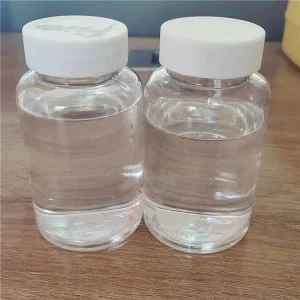
Multi-stage vacuum distillation towers remove sub-percentage trace alkyl impurities, trace water, and volatile solvents, resulting in consistently uniform density and crystal-clear liquid appearance conforming strictly to mil-spec chemical purity grades.
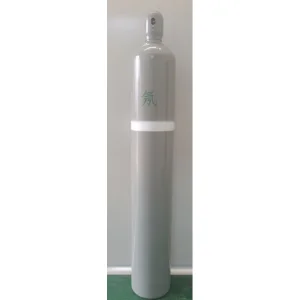
From custom 50kg electro-polished stainless steel pressure vessels to 200L nitrogen-sealed UN-rated high-tensile drums and custom ISO tank container shipments, our filling and sealing process operates under Class 100 clean-room conditions.
Rigorous management of dangerous goods compliance, dual-use customs clearance, and global cross-border hazardous transit.
Full conformance to IMDG (maritime) and ICAO/IATA standards. Every batch ships with authentic UN packaging certifications, tested against drop, stack, and pressure leak criteria.
Providing REACH authorizations, verifiable COA with lot-specific density readings, GHS 16-section SDS, Certificates of Origin (COO), and official Dual-Use Export Approvals where mandated.
Our sales engineering network provides seamless technical coordination in English, resolving compatibility checks with customer storage metallurgy (e.g., Titanium 6Al-4V, 304L/316L passivation, PTFE gaskets).
For destinations subject to severe ambient temperature fluctuations, we provide temperature-monitored refrigerated ISO containers and hermetic dry nitrogen overpressures (0.2–0.5 bar) to safeguard chemical purity.
From low-thrust attitude control systems to advanced agrochemical heterocycles: how density stability dictates operational yield.
Hypergolic reaction control systems (RCS) rely on monomethylhydrazine paired with dinitrogen tetroxide (NTO/MON-3). Stable methyl hydrazine density guarantees reliable volumetric injection ratios, avoiding hazardous chamber pressure oscillations and misfires.
In active pharmaceutical ingredient (API) manufacturing, pure methyl hydrazine serves as an essential building block for pyrazole, indazole, and 1,2,4-triazole rings used in oncology medications, demanding ultra-low metal trace contaminants and exact molecular weights.
With the rise of commercial mega-constellations and next-gen space logistics, commercial satellite primes seek verified high-density hydrazine derivatives delivered with certified batch stability, zero particulate counts, and streamlined supply chain verification.
Clear, direct answers regarding assay limits, density measurement techniques, compliance paperwork, and international procurement orders.
Anhydrous Monomethylhydrazine (MMH) exhibits a nominal density of 0.874 g/cm³ to 0.876 g/cm³ at 20°C (68°F). The density exhibits an inverse linear correlation with temperature, dropping to approximately 0.869 g/cm³ at 25°C. For industrial metering systems, temperature-compensated Coriolis mass flowmeters or oscillating U-tube sensors are advised.
A density exceeding standard tolerances indicates moisture contamination (formation of heavy hydrate species), while sub-nominal density frequently flags the presence of organic breakdown products (e.g., amine byproducts, volatile light ends). Verifying density ensures baseline assay purity before unloading into bulk storage.
Methyl Hydrazine is designated under UN 1244, assigned Hazard Class 6.1 (Toxic Substances), with subsidiary hazards Class 3 (Flammable Liquid) and Class 8 (Corrosive). It requires Packing Group I UN-specified packaging with high integrity gas-tight sealings and positive nitrogen padding.
Yes. YANXA delivers standard industrial synthesis grades (≥98.5%) and ultra-pure propellant grades (≥99.5% with <0.05% moisture). Packaging choices include stainless steel drums, 50kg cylinder units, and certified ISO tank containers, all blanketed under high-purity dry nitrogen gas.
Each delivery is accompanied by an authenticated batch Certificate of Analysis (COA) specifying exact density, moisture, assay, and non-volatile residues, alongside a 16-section GHS Safety Data Sheet (SDS), Packing Declaration, and full export compliance documentation.
Containers are loaded with continuous nitrogen blanket overpressures to exclude atmospheric moisture and oxygen. Real-time temperature dataloggers are embedded upon request, and shipments are routed via top-tier hazardous container carriers to minimize port transit delays.
Specialty polymers, rare noble gases, and engineering alloy grades manufactured for critical aerospace, electronic, and industrial synthesis lines.