Advanced Macromolecular Synthesis & ASEAN Supply Chain

Liquid Rubber Manufacturers & Factories for the Malaysia Market

High-performance functionalized liquid elastomers (CTBN, HTBN, HTBS, EPB, ATBN) synthesized for extreme tropical durability, semiconductor potting in Penang, offshore marine anti-corrosion, and industrial adhesives across Malaysia.

Send Inquiry Now
Core Polymeric Elastomers

Precision Functional Liquid Rubbers for Malaysian Industrial Applications

Engineered to counter high ambient humidity, elevated thermal stress, and chemical degradation in advanced Malaysian manufacturing clusters.

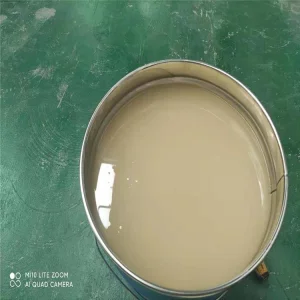
China Epoxy Modified Liquid Rubber - Epoxidized Polybutadiene EPB Manufacturer
Electronic Encapsulation / PCB

Epoxy Modified Liquid Rubber (EPB) for Malaysia Tech

Epoxidized Polybutadiene formulated for microelectronic underfills, flexible circuit encapsulation, and PCB coatings in Penang’s semiconductor corridor.

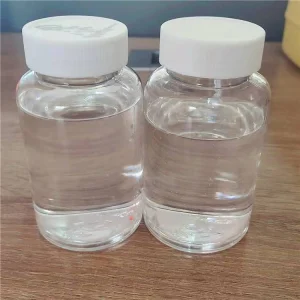
Wholesale Liquid rubber hydroxyl terminated butadiene-styrene random copolymer HTBS Factories
Construction & Civil Waterproofing

Hydroxyl Terminated HTBS Copolymer Malaysia Supply

Hydroxyl-terminated butadiene-styrene liquid polymer providing crack-bridging, hydrolytic stability, and moisture-cured elastomeric membranes across Klang Valley projects.

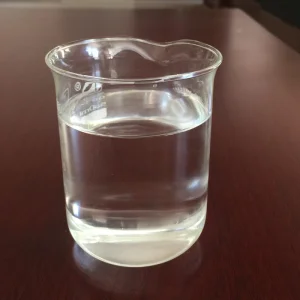
Wholesale Liquid Rubber Hydroxyl Terminated butyronitrile Rubber HTBN Supplier
Aerospace & Structural Bonding

Hydroxyl Terminated HTBN Rubber for ASEAN

Polar nitrile backbone liquid rubber delivering superior fuel, oil, and solvent resistance with tailored hydroxyl end-groups for polyurethane-urea crosslinking.

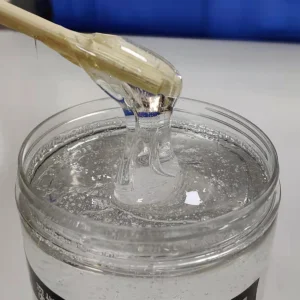
Wholesale Liquid Rubber Carboxyl Terminated Nitrile Butadiene Rubber CTBN Manufacturers
Marine & Heavy Offshore Protective

Carboxyl Terminated CTBN Rubber Malaysia Grade

The gold-standard epoxy toughening modifier. Elevates fracture toughness, peel strength, and salt-spray corrosion resistance for Pengerang marine steel structures.

Industrial Ecosystem Dynamics

Liquid Rubber Landscape in Malaysia: Economic Expansion Meets Severe Climate

Malaysia's strategic positioning within the ASEAN chemical and manufacturing matrix has triggered a structural shift toward high-performance functionalized polymers. Standard elastomers fail under extreme tropical exposure; tailored macromolecular polymers are critical.

Penang & Kulim Semiconductor Corridor

As the "Silicon Valley of the East," northern Malaysia hosts major OSAT and semiconductor packaging facilities. Packaging resins, epoxy molding compounds (EMC), and thermal interface materials (TIM) require ultra-clean liquid rubbers (such as EPB and CTBN) to reduce coefficient of thermal expansion (CTE) mismatch, mitigate interfacial shear stress, and prevent micro-cracking in high-density integrated circuit wafer assemblies.

Pengerang & Port Klang Marine Infrastructure

Offshore extraction in the South China Sea, shipyards along Port Klang, and petrochemical plants in the Pengerang Integrated Petroleum Complex (PIPC) require ISO 12944 C5-M extreme marine coatings. Liquid nitrile butadiene rubbers (CTBN/ATBN) react with epoxy networks to dramatically enhance cathodic disbondment resistance, impact flexibility, and salt-fog imperviousness against aggressive saline delamination.

Automotive Transition & High-Speed Rail

With Proton and Perodua pivoting toward electric vehicles (EV) and battery energy storage assembly, specialized structural bonding is paramount. Battery pack sealing and acoustic NVH (Noise, Vibration, Harshness) dampening utilize liquid polybutadiene derivatives (MLPB, HTBS) to create elastic bonds that absorb high-frequency road vibrations while maintaining complete hermetic seals across temperature cycles.

6.8% ASEAN Specialty Elastomer CAGR
< 10 ppm Chloride Impurity Control
5.5x Epoxy Fracture Toughness Gain
6-9 Days Transit Time (China to Port Klang)
Manufacturing Superiority

Why Tier-1 Malaysian Formulators Source Liquid Rubbers from China

China’s vertically integrated C4 and C5 petrochemical streams provide uncompromised monomer availability (butadiene, acrylonitrile, styrene), enabling our specialized production plants to deliver continuous synthesis consistency and scale economies.

Unlike western boutique synthesizers facing intermittent feedstock disruptions, our manufacturing lines utilize automated living anionic polymerization and telomerization reactors. This ensures exact polymer chain length control, targeted molecular weight distribution (polydispersity index Mw/Mn < 1.8), and virtually 100% terminal functionalization.

  • Custom Acrylonitrile (AN) Control: Tailored from 10% to 27% to tune compatibility with specific bisphenol-A, cycloaliphatic, or novolac epoxy resins.
  • RCEP Duty-Free Advantages: Zero-tariff customs clearance under ASEAN-China Free Trade Area Form E documentation.
  • Stringent Trace Impurity Refining: Sub-ppm ionic halide levels ensuring zero electrolytic corrosion in precision electronics.

Synthesis & Supply Protocol

01

Telomerization & Precise End-Capping

Radical solution telomerization controlling reactive terminal carboxyl (-COOH), hydroxyl (-OH), epoxy, or amino (-NH2) functionality to achieve target reactivity kinetics ($f \ge 1.95$).

02

Vacuum Degassing & Moisture Extraction

High-vacuum devolatilization strips trace monomers, volatile organic compounds (VOC), and water moisture below 0.05%, preventing foaming during high-temperature curing cycles.

03

Tropicalized Packaging & Ocean Logistics

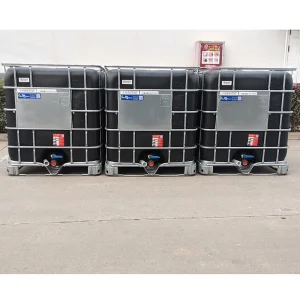
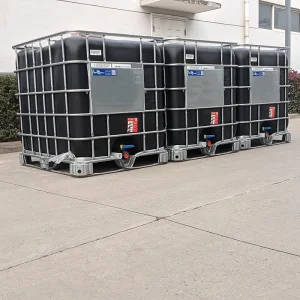
Nitrogen-blanketed packaging in UN-certified steel drums (200kg) and dry IBCs (1000kg). Fast maritime connections from Qingdao/Shanghai directly to Port Klang and Penang Port within 6–9 days.

Material Selection Guide

Liquid Rubber Engineering Matrix for Formulation Chemists

Compare molecular architectures, functional reactive groups, and target Malaysian application regimes for rapid prototyping and validation.

Polymer Grade Backbone Structure Reactive Terminal Viscosity (25°C, mPa·s) Glass Transition (Tg) Target Malaysian Application
CTBN Carboxy Nitrile Butadiene Carboxyl (-COOH) 120,000 – 180,000 -52°C to -38°C Marine / Piping Offshore epoxy coatings, pipeline primers, structural adhesives
EPB Epoxidized Polybutadiene Oxirane / Epoxy Ring 8,000 – 25,000 -75°C to -60°C Semiconductors PCB encapsulants, EMC flexibilizers, UV-curable sealants
HTBN Hydroxyl Nitrile Butadiene Hydroxyl (-OH) 35,000 – 70,000 -45°C to -35°C Polyurethanes Solvent-resistant PU casting, aerospace tank linings
HTBS Butadiene-Styrene Copolymer Hydroxyl (-OH) 6,000 – 15,000 -65°C to -50°C Construction Elastomeric roof membranes, bridge expansion joint caulking
ATBN Amino Nitrile Butadiene Amine (-NH2) 180,000 – 260,000 -48°C to -32°C Structural Adhesives Ambient-cure two-part epoxy paste, wind blade assembly
MLPB Maleic Anhydride Polybutadiene Maleic Anhydride Ring 5,000 – 12,000 -80°C to -65°C Automotive NVH Polyolefin compatibilizers, acoustic dampers, EV battery seals
Chemical Engineering Deep-Dive

Epoxy Toughening Mechanisms Under Extreme Tropical Weather Conditions

The Malaysian equatorial climate exposes protective coatings and structural bonds to intense UV radiation, 90%+ relative humidity, and constant cyclic heat up to 45°C on industrial surfaces.

Microphase Separation Morphology

Standard unmodified epoxy resins form tightly crosslinked, highly brittle 3D networks. When subjected to thermal fluctuations or impact loading, micro-fissures propagate catastrophically. By pre-reacting CTBN (Carboxyl-Terminated Nitrile Butadiene Rubber) into the epoxy backbone, a reaction-induced phase separation (RIPS) takes place during crosslinking.

Sub-micron elastomeric spherical domains (typically 0.5 to 2.0 μm) precipitate uniformly throughout the continuous glassy epoxy matrix. These elastomeric nodes act as stress concentrators, promoting matrix shear yielding and massive plastic deformation around crack tips, multiplying critical stress intensity factors (K1c) and fracture energy (G1c) by up to 500% without severely compromising heat distortion temperature (HDT).

Formulation Note: Pre-forming an epoxy-CTBN adduct (2:1 equivalent excess of bisphenol-A epoxy to carboxyl groups) using triphenylphosphine (TPP) catalyst at 130°C–140°C ensures homogeneous droplet dispersion in tropical coatings.

Hydrolytic & Chemical Stability in Tropical Humidity

Conventional ester-linked flexibilizers suffer rapid hydrolytic cleavage when exposed to perpetual ambient moisture in maritime port terminals like Port Klang and Tanjung Pelepas. Our liquid polybutadiene derivatives (HTBS, EPB, and MLPB) feature a pure hydrocarbon backbone that exhibits intrinsic hydrophobicity, zero ester-link vulnerabilities, and negligible water uptake (< 0.15% after 1000 hours immersion).

Furthermore, in maleic anhydride modified systems (MLPB), the grafted anhydride moieties react covalently with inorganic filler surfaces (silica, alumina trihydrate, carbon black) and metallic substrates, providing remarkable chemical adhesion and preventing blistering or under-film creep under corrosive salt-fog conditions.

Comprehensive Specialty Portfolio

Specialty Polyethers & Advanced Reactive Liquid Elastomers

Complete chemical inventory available with immediate containerized dispatch to Port Klang, Penang, and Johor Bahru.

China Liquid Rubber Amino-terminated nitrile butadiene rubber ATBN Manufacturer
Fast Curing Structural Adhesives

Amino Terminated ATBN Liquid Rubber

Primary and secondary amine terminal groups allowing direct room-temperature crosslinking with epoxy resins without pre-reaction adduct staging.

Wholesale Liquid Rubber Medium Vinyl Liquid Terminated Hydroxy Polybutadiene
High Dielectric Insulation

Medium Vinyl Hydroxy Polybutadiene

Liquid polybutadiene featuring tailored 1,2-vinyl microstructures for fast radiation curing, electrical potting, and high-frequency antenna encapsulation.

Wholesale Liquid Rubber Maleic Anhydride Grafted Polybutadiene MLPB Manufacturers
Polymer Blends & EV Battery Packs

Maleic Anhydride Grafted MLPB Rubber

Functionalized non-polar polybutadiene with anhydride active sites, serving as an exceptional coupling agent for polyolefins, glass fiber, and metal adhesives.

China Liquid Styrene Butadiene Rubber LSBR Manufacturers
Tire Compounding & Green Sealants

Liquid Styrene Butadiene Rubber (LSBR)

Reactive plasticizer for high-performance tire treads and industrial rubber compounds, reducing rolling resistance while boosting wet grip on equatorial asphalt.

China Liquid Rubber Random Carboxy Nitrile Butadiene Rubber L-XNBR Supplier
Multi-Functional Crosslinking

Random Carboxy Nitrile Rubber (L-XNBR)

Liquid nitrile polymer with statistically distributed carboxyl pendants along the macromolecular chain, providing intense crosslink density and oil resistance.

China Specialty Polyether Low Molecular Weight PET Polyether Factory
Polyurethane Precursors & Coatings

Low Molecular Weight PET Polyether

Engineered specialty polyether intermediate offering narrow polydispersity and low viscosity for fast-flow casting, elastomers, and protective marine topcoats.

Wholesale Specialty Polyether High Molecular Weight PET Polyether
High-Elasticity Sealants

High Molecular Weight PET Polyether

Long-chain polyether soft segments delivering outstanding elongation at break, dynamic recovery, and low-temperature flexibility for building joints.

China Specialty polyether medium molecular weight PET polyether Supplier
Flexible Foams & Adhesives

Medium Molecular Weight PET Polyether

Versatile hydroxyl-terminated polyether polymer optimized for balanced tensile strength, modulus, and processing rheology in custom industrial formulations.

Industrial Operations Protocol

Tropical Storage, Decanting & Supply Chain Resilience in Malaysia

Ensuring zero polymer degradation, viscosity spikes, or premature gelation in humid Southeast Asian warehousing.

Inert Nitrogen Blanketing

Due to the residual unsaturated double bonds in polybutadiene and nitrile elastomer backbones, oxygen exposure under Malaysian ambient warehouse heat (30°C–35°C) can initiate slow oxidative radical crosslinking. Our drums are sealed under high-purity dry nitrogen gas. We recommend partial decanting lines utilize dry nitrogen purge caps.

Moisture Barrier Integrity

Hydroxyl-terminated (HTBN/HTBS) and carboxylated polymers are hydroscopic. Relative humidity in Selangor and Johor frequently exceeds 85%. All containers are fitted with food-grade epoxy-phenolic internal linings and gasketed EPDM drum bungs to guarantee zero atmospheric moisture penetration, retaining moisture content below 0.05%.

Viscosity Management & Pumping

Liquid polymers like CTBN (150,000 mPa·s at 25°C) exhibit pronounced non-Newtonian pseudoplastic flow. At standard Malaysian room temperatures (28°C), viscosity drops naturally by approximately 30%, simplifying positive displacement pumping (gear pumps or lobe pumps) without requiring expensive heated drum-warming blankets.

Technical & Commercial FAQ

Frequently Asked Questions: Sourcing Liquid Rubber in Malaysia

Clear, authoritative technical answers addressing import duties, regulatory compliance, quality control, and formulation kinetics.

What are the HS Code classification and customs tariff rates for importing liquid rubber into Malaysia?
Liquid rubbers such as CTBN, HTBN, and functionalized polybutadienes are typically imported under HS Code 4002.59 (Synthetic rubber; acrylonitrile-butadiene rubber) or HS Code 3902.90 / 3903.90 depending on specific chemical backbone composition. Under the Regional Comprehensive Economic Partnership (RCEP) and ASEAN-China Free Trade Area (ACFTA), our Malaysian clients enjoy 0% import duty upon presentation of an authorized Certificate of Origin (Form E). Sales and Service Tax (SST) exemptions can also be applied via the Malaysian Investment Development Authority (MIDA) or through bonded warehouse declaration in Free Industrial Zones (FIZ) such as Bayan Lepas and Pasir Gudang.
How does CTBN epoxy modification prevent delamination on marine steel in offshore South China Sea installations?
In harsh marine environments (ISO 12944 Im2/Im4 immersion), thermal cycling and wave impact generate shear forces at the interface between the primer and the sandblasted steel substrate (Sa 2.5). Unmodified epoxy develops micro-voids that channel water, chlorides, and oxygen to the steel, precipitating rapid cathodic disbondment. Adding 10%–15% CTBN pre-reacted with epoxy absorbs localized stresses via rubber particle cavitation and matrix shear banding, halting crack propagation before it reaches the metallic interface and lowering cathodic disbondment radius from 18mm down to < 3mm under ASTM G8 test protocols.
What is the recommended pre-reaction protocol to produce a stable CTBN-Epoxy Adduct?
A typical adduct involves reacting 50 parts by weight of CTBN with 100 parts by weight of a standard Bisphenol-A liquid epoxy (EEW ~188). The mixture is heated to 130°C–140°C under an inert nitrogen blanket with 0.05–0.1 wt% triphenylphosphine (TPP) or 2-ethyl-4-methylimidazole as catalyst. The reaction proceeds until the acid value drops below 0.5 mg KOH/g (typically 1.5 to 2.5 hours). The resulting adduct has indefinite room-temperature shelf stability and is fully compatible with standard amine curatives (IPDA, DETA, polyamides).
Can Epoxidized Polybutadiene (EPB) be cured with cationic photoinitiators for UV-curable coatings?
Yes. EPB contains internal oxirane (epoxy) rings distributed along the polybutadiene backbone that react efficiently via cationic ring-opening polymerization initiated by triarylsulfonium or diaryliodonium hexafluoroantimonate salts under standard 365nm UV LED exposure. Unlike conventional acrylates, this cationic curing mechanism is completely immune to oxygen inhibition, making it especially effective for thin-film conformal coatings and microelectronics potting in humid Malaysian production cleanrooms.
What documentation is provided with each commercial export shipment?
Every shipment dispatched to Malaysia includes a lot-specific Certificate of Analysis (COA) specifying viscosity, functional group value (acid number, hydroxyl value, or epoxy equivalent weight), moisture content, and color/purity. In addition, we supply comprehensive 16-section Safety Data Sheets (SDS) in accordance with the Malaysian CLASS Regulations 2013, GHS labeling, Technical Data Sheets (TDS), Packing Lists, Commercial Invoices, and authenticated Form E documents for tariff exemption.
What are the typical lead times from order placement to delivery at Port Klang or Penang Port?
Standard stocked grades (CTBN 1300x13 equivalent, HTBS, EPB) ship within 3–5 working days from factory departure in China. Maritime container transit from major Chinese shipping hubs (Qingdao, Ningbo, Shanghai) to Port Klang or Penang takes approximately 6 to 9 days. For specialized custom-synthesized molecular weights or non-standard functional percentages, synthesis and QA batch verification require 10 to 14 days prior to port loading.
How does high ambient temperature affect the storage shelf life of liquid nitrile and polybutadiene rubbers?
When kept sealed in original unopened drums under nitrogen blankets, our liquid rubbers have a guaranteed shelf life of 12 months at temperatures up to 30°C. In non-air-conditioned warehouses where temperatures may touch 38°C during peak dry seasons, we recommend shaded indoor storage away from direct sunlight and metal roof radiation. Extended heat exposure without nitrogen blanketing can cause a minor gradual upward drift in viscosity (approx. 5%–8% annually) without altering chemical reactivity.
Direct Chemical Manufacturing Sourcing

Accelerate Your Polymer Formulations with High-Grade Liquid Rubbers

Connect directly with our chemical synthesis directors and application engineers. Whether developing next-generation microelectronics packaging in Penang or heavy-duty marine anti-corrosive coatings for PIPC, we provide technical samples, trial formulations, and custom synthesis.