


Engineered liquid elastomers developed to enhance toughness, chemical resistance, and thermal tolerance in complex compounding systems.
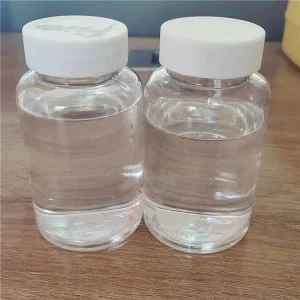
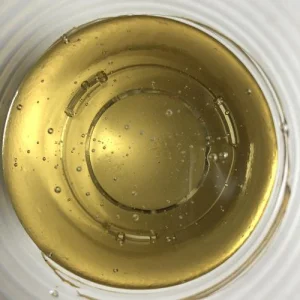


Strategic chemical analysis of supply chain dynamics, automotive cluster transitions, and reactive polymer engineering.
Hungary has positioned itself as the preeminent manufacturing epicenter of Central and Eastern Europe (CEE). Anchored by traditional Tier-1 automotive hubs in Győr, Kecskemét, and Debrecen, alongside aggressive capital allocation into high-capacity Electric Vehicle (EV) battery gigafactories, the demand for precision-grade liquid rubber polymers has expanded exponentially. As OEMs enforce strict mechanical resilience standards, conventional plasticizers and vulcanized solid rubbers fail to meet high-vibration, high-thermal, and chemically aggressive operational parameters.
Thermal stability and dielectric insulation for cell-to-pack (CTP) architectures in Debrecen and Komárom manufacturing facilities.
CTBN and ATBN act as elastomeric flexibilizers in aerospace adhesives, significantly retarding crack propagation without sacrificing Tg.
Low-viscosity polybutadiene prepolymers delivering hydrolytic stability for heavy civil infrastructure across the Danube corridor.
The modern polymer market in Hungary is undergoing fundamental structural changes, governed by stringent EU chemical guidelines, specifically REACH (EC 1907/2006) compliance, low-VOC processing requirements, and the transition toward lightweight carbon composites. Liquid rubber systems—specifically terminal-functionalized polybutadienes and copolymers—act as both reactive tougheners and co-curable diluents. Chinese factory synthesis allows molecular weight tailoring (Mn 1,000–8,000 g/mol) and functional group calibration, solving supply-side bottlenecks for Hungarian chemical formulators.
How direct Chinese petrochemical synthesis bridges technical parameters, production velocity, and budgetary efficiency.
Our polymer synthesis reactors control the distribution of carboxyl, amino, and epoxy groups with an extremely low polydispersity index (PDI ≤ 1.8), delivering uniform cure rates.
Continuous-flow synthetic lines guarantee multi-ton batches with zero batch-to-batch variation, mitigating downstream compounding defects in automated dispensing machines.
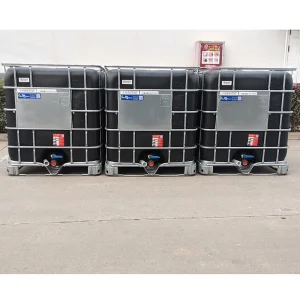
Complete UN-rated packaging (steel drums, IBC tanks, ISO tanks) with English/Hungarian GHS labels, verified SDS, and full customs documentation.
Complete technical portfolio supporting adhesive synthesis, polyurethanes, cable compounds, and specialty modifiers.
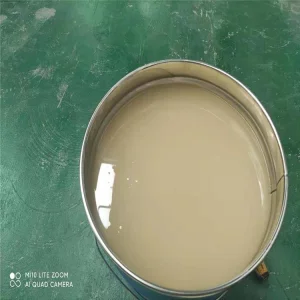

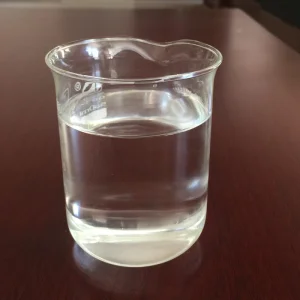


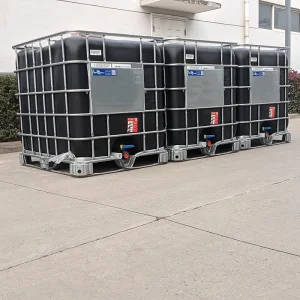

Tailored elastomeric engineering matching the specific technical standards of Hungarian industrial leaders.
Crash-durable adhesives (CDAs) formulated with Carboxyl-Terminated Butadiene Acrylonitrile (CTBN) absorb dynamic impact energy, preventing adhesive joint shearing at sub-zero temperatures across European winters.
Epoxy-modified polybutadienes (EPB) deliver superior hydrophobic barriers, critical for battery sealing compounds where moisture ingress cannot exceed parts-per-billion tolerances.
Hydroxyl-Terminated Liquid Polybutadienes (HTPB/HTBS) provide low-temperature elasticity, dielectric properties, and acid/base resistance in polyurea spray coatings and high-resilience potting compounds.
Clear answers regarding procurement, regulatory compliance, testing, and delivery protocols.
Every shipment of liquid rubber compounds and specialty polyethers to Hungary is accompanied by EU-compliant Safety Data Sheets (SDS) in accordance with REACH Annex II. We manage Only Representative (OR) representation for registered volume tiers.
From production release, maritime transport to the Port of Koper (Slovenia) or Rijeka (Croatia) followed by direct rail/truck drayage into Budapest or Debrecen takes approximately 22 to 28 days. Express multimodal options are also available.
Yes. We adjust acrylonitrile content (AN%), carboxylic/hydroxyl titration, and molecular weight ranges (Mn) based on your Technical Data Sheet (TDS) parameters, ensuring smooth drop-in replacement into your current formulation.
Qualified enterprise procurement and R&D engineering teams can request 500g to 2kg sample containers accompanied by an official batch COA demonstrating assayed purity, viscosity, water content, and molecular weight.
