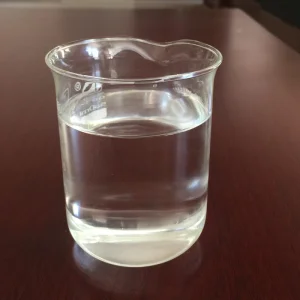
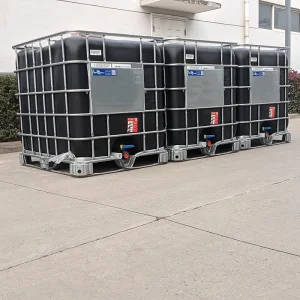
Direct wholesale allocations for tier-one Egyptian civil engineering, automotive assembly, and anticorrosive marine projects requiring certified DIN/ASTM-compliant telechelic grades.
Egypt's industrial landscape is undergoing a massive transformation led by megaprojects such as the New Administrative Capital (NAC), Suez Canal Economic Zone (SCZone), and the rapid expansion of offshore Mediterranean natural gas developments (such as the Zohr Field). This tectonic shift has drastically elevated domestic demand for specialized, high-performance liquid rubber polymers.
Liquid elastomeric systems—primarily telechelic liquid polymers including hydroxyl-terminated polybutadiene (HTPB), carboxyl-terminated butadiene-acrylonitrile (CTBN), and liquid styrene-butadiene rubber (LSBR)—have transitioned from specialty laboratory reagents to mission-critical industrial workhorses across Egypt. The hyper-arid regional conditions, characterized by high thermal swings between daytime and nighttime, intense UV exposure, and saline groundwater intrusion across the Nile Delta, demand coating and sealing chemistries that far surpass generic bitumen or unfunctionalized polyurethane formulations.
Egyptian industrial blenders, compounders, and toll manufacturers in Tenth of Ramadan City, 6th of October City, and Borg El Arab face increasing mandates to supply coatings and sealants compliant with stringent ISO, ASTM, and DIN standards. Sourcing directly from certified primary polymer synthesis plants provides the batch-to-batch repeatability and customized reactive end-group precision that local industrial processors need to stay competitive in both the domestic market and export channels to COMESA member states.
Maritime Logistics & Canal Defense: Over 12% of global seaborne trade traverses the Suez Canal. Protective coatings for bunkering facilities, container handling cranes, and port marine infrastructure require epoxy systems toughened with CTBN and ATBN to resist cyclic mechanical impact, heavy salt-spray corrosion, and cavitation.
Underground Civil Engineering: Cairo Metro Lines 3 and 4, deep subterranean rail tunnels, and desert utility corridors utilize cold-applied, elastomeric liquid waterproofing membranes capable of bridging dynamic structural cracks up to 3.5mm without rupture during thermal ground shifting.
Automotive & Electronic Packaging: Expanding passenger vehicle assembly clusters around Alexandria require high-shear, impact-resistant structural adhesives modified with epoxidized liquid rubbers to achieve crash-durability compliance.
How precise polymer functionalization prevents brittle coating failure, phase separation, and degradation across North African mega-infrastructure.
Standard diglycidyl ether of bisphenol-A (DGEBA) epoxy systems become dangerously brittle under Egyptian solar heat cycles, leading to micro-cracking and bond delamination. Introducing Carboxyl-Terminated Butadiene Acrylonitrile (CTBN) or Epoxidized Polybutadiene (EPB) yields phase-separated sub-micron elastomeric domains that arrest crack propagation, elevating matrix fracture toughness (K1c) by over 350% without compromising glass transition temperature (Tg).
Hydroxyl-Terminated Butadiene-Styrene (HTBS) and medium-vinyl telechelic polymers feature highly hydrophobic hydrocarbon backbones that exhibit near-zero hydrolytic absorption. Formulators in Cairo use these functional prepolymers with MDI or IPDI isocyanate prepolymers to develop 100% solids, VOC-compliant waterproofing membranes for sub-grade foundation tanking along the Nile basin, providing zero swelling in alkaline muds.
Maleic Anhydride Grafted Polybutadiene (MLPB) acts as an active reactive coupling agent for polar-to-nonpolar interfaces. When compounded into Egyptian industrial rubber lining systems, mining conveyor belts, or glass-filled polypropylene components, the anhydride moieties chemically bond to silicate minerals, carbon steel, and galvanized surfaces, eradicating debonding failures caused by heat degradation.
| Polymer Class | Active Functionality | Target Formulation Matrix | Primary Performance Metric | Typical Egyptian Project Deployment |
|---|---|---|---|---|
| CTBN Series | Carboxyl (-COOH) Telechelic | Bisphenol-A & Novolac Epoxies | Fracture toughness (K1c), peel strength | Suez marine vessel adhesives & pipeline wraps |
| HTBS / HTPB | Hydroxyl (-OH) Telechelic | Polyurethane & Polyurea Hybrid | Hydrolytic stability, dielectric strength | Desert electrical insulation & bridge membranes |
| ATBN Series | Amine (-NH2) Terminated | Epoxy Resin Admixtures | Rapid ambient curing, impact dampening | Heavy machinery shock pads, automotive bonding |
| MLPB Graft | Maleic Anhydride Rings | Polyolefins, TPE, Specialty Rubber | Interfacial adhesion & filler dispersion | Mineral-filled automotive compounds & pipe coatings |
| EPB Series | Oxirane (Epoxy) Moieties | Cationic UV & Thermal Systems | High crosslink density, thermal resistance | Electronics encapsulation & anticorrosive lacquers |
Navigating import logistics into Egyptian ports requires technical documentation, strict adherence to national decree changes, and proactive compliance management.
Every shipment of liquid rubber polymers dispatched to our Egyptian partners is fully aligned with the Egyptian Advanced Cargo Information (ACI) declaration system through the Nafeza single-window platform. ACID numbers, certified commercial invoices, packing lists, and Certificates of Origin are issued, pre-registered, and notarized to ensure swift customs clearance with zero dwell time demurrage fees.
We provide complete material dossiers for every consignment, including full 16-section GHS-compliant Safety Data Sheets (SDS) in English and Arabic, technical batch Certificates of Analysis (COA) confirming reactive end-group functionality (titrated carboxyl/hydroxyl values, viscosity curves at 25°C, moisture content ppm, and molecular weight distribution via GPC), and export quality declarations.
Sustainable synthesis pathways, bio-hybrid liquid rubbers, and smart functional crosslinking systems engineered for zero VOC mandates and extreme thermal regimes.
Modern environmental frameworks in North Africa are mirroring European REACH and clean-air regulations. Our continuous anionic polymerization roadmap focuses on ultra-narrow polydispersity indices (PDI < 1.25), resulting in low-viscosity liquid rubbers that eliminate the need for VOC-heavy solvents (such as toluene, xylene, or MEK) in protective pipeline paints and elastomeric roofing.
To withstand severe solar heat gains in southern Upper Egypt (Aswan, Luxor) where substrate surface temperatures regularly exceed 75°C, next-generation liquid fluoro-functionalized and specialty polyether-modified telechelics offer thermal degradation thresholds beyond 260°C, providing decades of maintenance-free service across utility power assets.
Integration of depolymerized, chemically recycled oligomers and bio-based butadiene derived from sustainable agricultural waste enables Egyptian compounders to fulfill ESG criteria required by multinational engineering contractors and international green-building certification bodies (LEED, MOSTADAMA).
Direct technical answers addressing functional compatibility, storage constraints in hot arid climates, port logistics, and contract ordering.
Full portfolio of functional elastomers, copolymer resins, and polyether intermediates engineered for industrial compounding, polymer modification, and advanced manufacturing in Egypt.
Connect with our polymer engineering and technical sales desk. We provide custom molecular weight formulation, full regulatory dossier verification, and guaranteed delivery schedules to Egyptian industrial ports.