


Engineered for high-stress aerospace seals, automotive acoustic damping, and deep-excavation building sealants deployed across Grand Paris projects.

China Epoxy Modified Liquid Rubber - Epoxidized Polybutadiene (EPB) for Paris Engineering
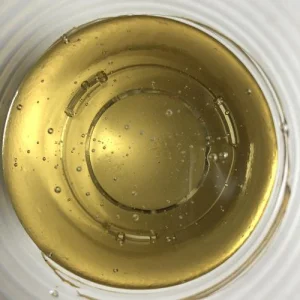
Wholesale Liquid Rubber - Hydroxyl Terminated Butadiene-Styrene Random Copolymer (HTBS) Paris Orders

Wholesale Liquid Rubber - Hydroxyl Terminated Butyronitrile Rubber (HTBN) Supplier for Paris
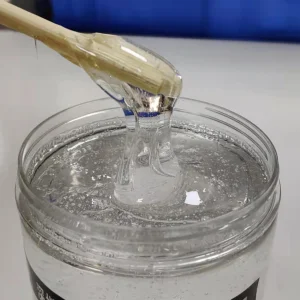
Wholesale Liquid Rubber - Carboxyl Terminated Nitrile Butadiene Rubber (CTBN) Paris Grade
A comprehensive examination of application vectors, procurement dynamics, and structural transformations in metropolitan France.
The continuous structural expansion of Europe's largest transit initiative requires high-grade liquid rubber sealants resistant to intense hydrostatic pressure, subterranean sulfur exposure, and structural movement along the Seine basin. Hydroxyl- and carboxyl-terminated liquid polymers serve as unyielding elastomeric backbones for specialized geotechnical injection grouts, tunnel segment gaskets, and elastomeric waterproofing membranes.
The aerospace manufacturing corridor connecting Paris-Saclay, Evry, and Le Bourget demands low-temperature flexible toughening agents for carbon-fiber epoxy matrix composites and aerospace fuel system seals. Functionalized liquid polymers like CTBN and ATBN improve peel strength, micro-crack fatigue mitigation, and cryogenic fracture toughness without sacrificing thermal deflection thresholds.
With major R&D hubs along the Seine Valley pivoting toward electric vehicles, liquid rubber functions as a core binder and vibration dampener in EV battery pack potting resins and body-in-white (BIW) crash-durable structural adhesives. Formulations reinforced with epoxidized liquid polybutadiene show superior impact absorption during high-velocity collisions while ensuring dielectric isolation.
Synthesized molecular profiles designed to streamline QA audit protocols and expedite procurement validation.
| Polymer Class | Terminal / Reactive Functionality | Viscosity (mPa·s @ 25°C) | Primary Industrial Use in Paris | Key Advantage |
|---|---|---|---|---|
| EPB (Epoxidized) | Oxirane Rings (Epoxy groups) | 8,000 – 25,000 | Automotive Underbody Coatings & Potting | Rapid Crosslinking High weatherability & adhesion |
| CTBN (Carboxyl) | -COOH Carboxyl Terminated | 30,000 – 160,000 | Aerospace Adhesives & Composite Toughening | Impact Resistance +300% epoxy fracture toughness |
| HTBN (Hydroxyl) | -OH Hydroxyl Terminated | 20,000 – 60,000 | Polyurethane Sealants & Propellant Binders | Hydrolytic Stability Superior resilience in damp subsurfaces |
| ATBN (Amino) | -NH2 Primary / Secondary Amine | 80,000 – 220,000 | Two-Part Epoxy Structural Formulations | Room-Temp Cure Eliminates need for elevated thermal ovens |
| MLPB (Maleic Grafted) | Maleic Anhydride Polar Groups | 5,000 – 18,000 | Polyolefin Coupling & Industrial Bitumen | Compatibility Blends non-polar elastomers with polar fillers |
| L-XNBR (Random Carboxy) | Carboxylated Chain Distribution | 15,000 – 45,000 | Specialty Gaskets & Solvent-Resistant Coatings | Hydrocarbon Defense High fuel, oil, and grease resistance |
Eliminating supply chain volatility through ISO-certified synthesis, temperature-stabilized maritime corridors, and localized EU documentation.
Navigating chemical import regulations into the European Economic Area demands verifiable paperwork. Every drum, IBC, and ISO tank dispatched to Le Havre and Gennevilliers harbors batch-specific Certificates of Analysis (COA), multilingual SDS conforming to EU 2020/878, and strict SVHC non-inclusion verifications, insulating chemical formulators against customs impoundment.
Utilizing dedicated international shipping routes to the Port of Le Havre followed by multimodal river barge transit directly to the Port de Gennevilliers outside central Paris. This intermodal pathway lowers the carbon footprint of chemical freight by up to 34% relative to long-haul road trucking while maintaining continuous supply chains for Tier-1 compounding facilities.
Liquid synthetic rubbers are prone to subtle viscosity drift under improper thermal conditions or atmospheric moisture exposure. We prevent this by filling in nitrogen-blanketed, hermetically sealed industrial drums and maintaining precision-controlled polymerization reaction profiles. This keeps batch-to-batch variation under 3%, preventing unexpected line stoppages during automated mixing.
Anticipating the technological horizon for liquid rubber applications across the European Union.
French regulatory directives increasingly restrict solvent emissions and volatile organic compounds (VOCs) on metropolitan construction projects. Forward-looking R&D efforts are developing silane-terminated liquid polybutadienes that crosslink via moisture cure without free diisocyanates, providing worker-safe sealant application across indoor and subterranean metro zones.
Aligning with French and EU circular economy taxonomies, research initiatives are validating bio-based butadiene derived from agricultural ethanol feedstocks. By partially substituting fossil-derived monomers without shifting functional hydroxyl or carboxyl index parameters, formulators reduce scope 3 emissions without adjusting line machinery.
Deploying advanced inline neural-network monitoring during polymerization reactors gives granular control over molecular weight distribution (polydispersity index). Tighter PDI values yield lower viscosities at equal molecular weight, reducing solvent usage in high-solids adhesive and coating manufacturing.
In-depth insights into functional liquid polymer selection, international freight handling, and production optimization.
Carboxyl-terminated nitrile butadiene rubber (CTBN) reacts with epoxide groups primarily during elevated-temperature curing regimes, generating microscopic elastomeric domains (1-5 microns) that disperse stress energy and stop micro-crack propagation without reducing heat deflection temperature (HDT). Amino-terminated nitrile butadiene rubber (ATBN), conversely, contains reactive amine hydrogens that cure with epoxy resins at room temperature. This makes ATBN ideal for two-part structural repair adhesives deployed in outdoor civil settings or aerospace field installations where thermal baking is unfeasible.
All functional liquid rubbers exported to French and European ports comply with EU REACH registration frameworks (EC No 1907/2006). Every production lot is paired with verified Certificate of Analysis (COA) records generated via GPC and titration analysis. Multilingual Safety Data Sheets (SDS) in French and English, formatted to EU 2020/878 specifications, detail safe handling protocols, chemical classification, and RoHS/SVHC compliance to ensure seamless clearance through French customs authorities.
We supply materials in heavy-gauge UN-certified steel drums (200 L / 180-200 kg net weight) blanketed with high-purity inert nitrogen gas to stop moisture intrusion and atmospheric oxidation during ocean transit. For high-volume continuous manufacturing facilities in the Paris industrial suburbs, we deliver 1,000 L intermediate bulk containers (IBCs) and specialized ISO tanks fitted with heating elements to assist decanting of high-viscosity elastomeric resins.
Yes. Our manufacturing infrastructure supports precision tailoring of end-group functionality (such as hydroxyl values, carboxyl content, or oxirane ring density) and targeted molecular weights (Mn from 1,000 to 12,000 g/mol). Our chemical process engineers collaborate directly with client R&D teams to tune reactivity profiles, glass transition temperatures (Tg), and resin solubility parameters for specialized defense, adhesive, and sealing applications.
Explore specialized elastomeric modifiers, vinyl polymers, and technical polyethers engineered for global chemical operations.

China Liquid Rubber - Amino-Terminated Nitrile Butadiene Rubber (ATBN) Paris Solutions

Wholesale Liquid Rubber - Medium Vinyl Liquid Terminated Hydroxy Polybutadiene Paris Delivery

Wholesale Liquid Rubber - Maleic Anhydride Grafted Polybutadiene (MLPB) Paris Wholesale

China Liquid Styrene Butadiene Rubber (LSBR) Paris Factory Orders

China Liquid Rubber - Random Carboxy Nitrile Butadiene Rubber (L-XNBR) Paris Grade
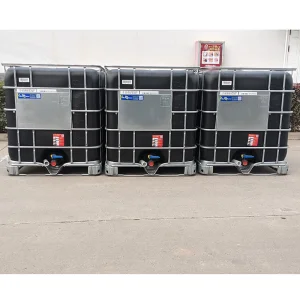
China Specialty Polyether - Low Molecular Weight PET Polyether Paris Stock
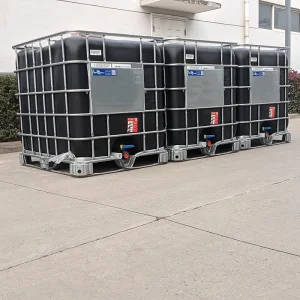
Wholesale Specialty Polyether - High Molecular Weight PET Polyether Paris Quotes
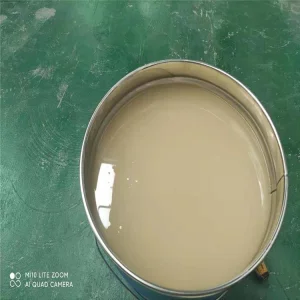
China Specialty Polyether - Medium Molecular Weight PET Polyether Paris Delivery
