Explore our top-tier catalog of semiconductor reagents, high-purity rare gases, functionalized synthetic elastomers, and precision inorganic salts supplied under ISO 9001 certified batch control.
Cadmium Nitrate Tetrahydrate [Cd(NO3)2·4H2O, CAS: 10022-68-1 / 10325-94-7] serves as an indispensable high-reactivity inorganic precursor across optoelectronics, specialized ceramics, advanced battery chemistry, and catalytic engineering.
Within the modern renewable energy transition, cadmium nitrate represents a vital soluble source for the chemical bath deposition (CBD) of cadmium sulfide (CdS) buffer layers on Cadmium Telluride (CdTe) and CIGS solar cells. The exceptional water solubility and rapid reaction kinetics ensure uniform nanometer-scale film formation with minimal pinholes.
Colloidal CdSe, CdS, and CdTe semiconductor nanocrystals (quantum dots) demand ultra-pure precursor salts. Cadmium II nitrate facilitates precise ligand exchange and organometallic reaction pathways, enabling tight emission linewidths, high photoluminescence quantum yield (PLQY), and narrow particle size distribution essential for displays and medical bio-imaging.
In specialty glass manufacturing and technical ceramics, Cadmium II Nitrate serves as an essential thermal flux and dopant. When calcined in controlled atmospheres, it forms stable cadmium titanates and cadmium stannates with unique dielectric properties. Furthermore, due to cadmium's high thermal neutron absorption cross-section, tailored cadmium compounds are utilized in radiation shielding materials.
Combining vertical zinc-cadmium metallurgical integration, closed-loop hydrometallurgical purification, and massive economies of scale, our manufacturing facilities deliver unmatched cost stability and purity consistency.
Cadmium is predominantly recovered as an associated byproduct during zinc smelting. China's world-leading zinc metallurgical industrial clusters provide our chemical synthesis units with immediate, uninterrupted access to 99.995% refined cadmium metal feedstock. This geographical proximity eliminates intermediate shipping premiums, buffers against international commodity spot fluctuations, and guarantees reliable multi-hundred metric ton production commitments.
By managing the chain from high-purity electrolytic cadmium ingestion to continuous nitric acid dissolution, our factories eliminate cross-contamination and ensure tight control over insoluble residues and trace metallic contaminants.
Operating chemical plants in compliance with modern stringent environmental mandates requires significant capital expenditure in pollution abatement. Our modern manufacturing bases operate under China's Level-A Environmental Standards, deploying closed-circuit vacuum crystallization, multi-effect evaporators (MEE), and automated acid fume scrubbers.
Water effluent is recycled back into the dissolution loop through ultrafiltration and ion-exchange polishing columns, resulting in zero toxic liquid discharge and protecting international purchasers from supply-chain interruptions caused by environmental compliance audits.
Using automated continuous oscillatory baffled crystallizers, our lines regulate cooling curves within ±0.2°C. This yields crystal cakes with homogeneous crystal habit, eliminating unevaporated mother liquor inclusion and delivering free-flowing prisms that avoid cake agglomeration during ocean voyages.
Every batch lot undergoes Inductively Coupled Plasma Mass Spectrometry (ICP-MS) and Atomic Absorption Spectroscopy (AAS). We benchmark over 28 elemental impurities—specifically targeting Cu, Pb, Fe, Ni, and Zn—guaranteeing compliance with semiconductor and analytical-grade expectations.
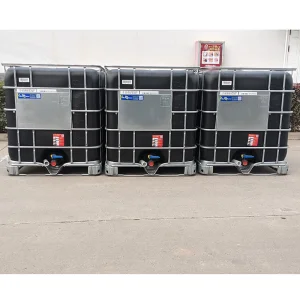
Strategically situated within dedicated chemical industrial parks near primary maritime deep-water hubs (Ningbo, Qingdao, Shanghai), our export operations facilitate expedited Dangerous Goods (DG) inspection, container freight station (CFS) packaging, and multimodal ISO tank / UN drum staging within 5 working days.
From technical-grade ceramic glazing precursors to 5N ultra-pure electronic grades, review our comprehensive Certificate of Analysis (COA) tolerance levels and specific industrial processing parameters.
| Analytical Parameter | Industrial Technical Grade | High-Purity Reagent Grade | Electronic / Solar Grade (4N-5N) |
|---|---|---|---|
| Assay [Cd(NO3)2·4H2O] | ≥ 99.0% | ≥ 99.5% | ≥ 99.99% |
| Chloride (Cl⁻) | ≤ 0.005% | ≤ 0.001% | ≤ 0.0002% (2 ppm) |
| Sulfate (SO₄²⁻) | ≤ 0.010% | ≤ 0.003% | ≤ 0.0005% (5 ppm) |
| Iron (Fe) | ≤ 0.002% | ≤ 0.0005% | ≤ 0.0001% (1 ppm) |
| Lead (Pb) | ≤ 0.005% | ≤ 0.001% | ≤ 0.0002% (2 ppm) |
| Copper (Cu) | ≤ 0.002% | ≤ 0.0005% | ≤ 0.0001% (1 ppm) |
| Zinc (Zn) | ≤ 0.010% | ≤ 0.002% | ≤ 0.0003% (3 ppm) |
| Water Insoluble Matter | ≤ 0.02% | ≤ 0.005% | ≤ 0.001% |
| Physical Appearance | White crystalline needles | Colorless prism crystals | Transparent optical-grade crystal |
Used in photovoltaic module plants where cadmium nitrate reacts with thiourea in an alkaline aqueous medium (ammonium hydroxide) at 60°C to 80°C. The slow release of Cd²⁺ cations enables smooth epitaxial deposition of CdS thin films onto transparent conductive oxides (TCO), optimizing quantum efficiency in the 300–500 nm solar spectrum.
Specialty aerospace and defense fasteners utilize cadmium electroplating baths derived from cadmium nitrate or cadmium fluoroborate electrolytes. The nitrate counter-ion promotes high throwing power and low hydrogen embrittlement, protecting high-strength steel hardware operating in severe marine and saline aerospace environments.
Serves as a precursor for cadmium oxide (CdO) and cadmium titanate catalysts used in selective esterification, oxidative dehydrogenation, and high-performance synthetic polymer stabilization. The thermal decomposition of nitrate salts at 350°C leaves clean oxide crystal structures free of halogen residues.
Commercial pricing for Cadmium(II) Nitrate Tetrahydrate is index-linked to Shanghai Metals Market (SMM) refined cadmium prices, energy inputs, and shipping container regulations. Review current commercial tier structures below.
| Order Volume Tier | Target Purity Grade | Packaging Standard | Indicative Price Range (FOB China Port) | Lead Time |
|---|---|---|---|---|
| Sample / Pilot (100 kg - 500 kg) | Technical to Reagent Grade (≥99.5%) | 25 kg UN-Approved Fibre Drum / Inner PE Liner | $8.50 – $14.00 / kg | 5 - 7 Days |
| Commercial LCL (1 MT - 5 MT) | Technical Grade (≥99.0%) | 25 kg Woven Bags with double PE Liners, Palletized | $5,200 – $6,800 / MT | 10 - 14 Days |
| FCL Volume (10 MT - 20 MT) | Technical / Solar Grade (≥99.5%) | 25 kg UN Heavy-Duty Drums or 1000 kg Big Bags | $4,400 – $5,600 / MT | 14 - 21 Days |
| Contract Annual Supply (>50 MT) | Customized / Solar 4N-5N Grade | Tailored UN Spec packaging / Heated container available | Formula-Based Index (Inquire) | Continuous Scheduled Dispatch |
Raw material cadmium metal comprises roughly 45%–55% of the overall variable cost of synthesis. Contract pricing offers transparent formulas pegged directly to SMM or London Metal Exchange (LME) spot quotes, allowing corporate buyers to lock in futures contracts or float according to actual processing cost indices.
As a Class 5.1 Oxidizing Substance (UN 1477), packaging must strictly conform to UN Packaging Group II/III certification. Heavy-duty galvanised steel drums or certified fiber drums with anti-static vapor-sealed internal polyethylene liners prevent deliquescence and moisture ingress during high-humidity equatorial ocean transit.
Dangerous goods container shipping carries specialized maritime hazmat surcharges. By consolidating cargo manifests through accredited chemical DG depots in Ningbo and Shanghai, our logistics desk secures prioritized maritime container slots while protecting consignees from unexpected destination port storage demurrage.
International industrial enterprises rely on YANXA’s stringent E-E-A-T backed QA/QC protocols. We supply comprehensive regulatory documentation for every export shipment across Europe, North America, Southeast Asia, and the Middle East.
Because cadmium compounds are strictly monitored under European REACH and global chemical inventories, we facilitate regulatory dossier handoffs, Only Representative (OR) certification, and RoHS exemption declarations for approved industrial applications (such as military aerospace coatings and specialized optoelectronics).
Each individual production pallet is assigned a distinct lot identification number linked to archived retention samples stored in climate-controlled lockers for 24 months. Purchasers receive complete Certificate of Analysis (COA) specifying elemental purity, moisture, and insoluble content before vessel departure.
Every drum is marked in accordance with IMO IMDG Code 39-18. We provide 16-section Safety Data Sheets (SDS) authored in multilingual translations (English, Spanish, French, German, Japanese, Korean) reflecting precise toxicity, eco-toxicity, and first-responder guidelines.
As environmental policies advance worldwide, the cadmium synthesis sector is undergoing massive structural upgrading toward high-efficiency hydrometallurgical recycling and hyper-purified nanotechnology applications.
Next-generation Chinese chemical manufacturing integrates circular economy models. By reclaiming industrial cadmium residues from end-of-life Ni-Cd industrial batteries and solar manufacturing byproducts via advanced solvent extraction (SX) and electrowinning (EW), we produce ultra-pure cadmium nitrate with a drastically reduced carbon and mining footprint, supporting client Scope 3 sustainability objectives.
Emerging tandem solar technologies (Perovskite-on-CdTe or Perovskite-on-Silicon) demand atomic-level control over carrier recombination. Our dedicated R&D crystallization pilot facilities have achieved >99.999% purity with sub-ppb levels of copper, nickel, and iron, providing international PV research institutes and commercial gigafactories with next-generation precursor materials.
Detailed answers covering solubility limits, dangerous goods transport compliance, storage life, and international customs clearance.
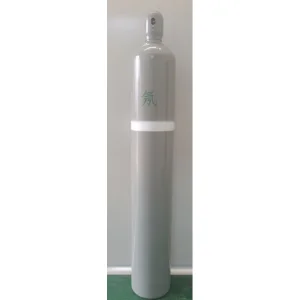
Complement your core inorganic purchasing with YANXA's fully integrated production spectrum, including cryogenic rare gases, epoxy-functionalized liquid rubbers, and reactive organic polyethers.
Contact our chemical engineering desk for spot CIF/FOB pricing, custom crystallization mesh sizes, and full dangerous goods logistics consulting tailored to your destination port.