Precision-engineered elastomeric polymers, reactive oligomers, and customized multi-phase liquid rubber formulations tailored for mission-critical industrial encapsulation and infrastructure defense.
Direct supply-chain access to functional elastomeric monomers, specialty liquid polymers, and high-reactivity crosslinking matrices with batch-certified Certificate of Analysis (COA).







Addressing supply volatility, evolving VOC mandates, and mechanical performance requirements through chemical stability and technical-first logistics.
Global civil and marine engineering requires liquid coatings that resist hydrolytic degradation, saltwater oxidation, and aggressive pH environments without delaminating under continuous thermal cycles.
Structural thermal expansion across concrete foundations and steel tanks demands elastomeric membranes capable of dynamic micro-crack self-bridging without mechanical failure down to -40°C.
Tier-1 contractors face price fluctuations and regional availability constraints. Standardizing procurement with verified bulk liquid synthetic rubbers (HTPB, CTBN, L-XNBR) guarantees project timelines.
Evaluating prepolymer backbones, reactive terminal functionalities, and structural mechanical traits for specialized formulation requirements.
| Polymer Chemistry / Intermediate | Key Functional Groups | Tensile Strength (MPa) | Elongation at Break (%) | Core Application Focus |
|---|---|---|---|---|
| Epoxidized Polybutadiene (EPB) | Oxirane / Epoxy Ring | 12.5 – 18.0 | 250 – 450 | Epoxy-toughened anti-corrosion primers, electronic potting resins. |
| Hydroxyl-Terminated Polybutadiene (HTPB/HTBN) | Primary Hydroxyl (-OH) | 4.5 – 8.5 | 650 – 950 | Elastomeric waterproofing, flexible bridge deck jointing membranes. |
| Amino-Terminated Nitrile (ATBN) | Amine (-NH2) | 15.0 – 22.0 | 180 – 350 | Structural industrial adhesives, impact-resistant hybrid polyurea. |
| Liquid Carboxy Nitrile Rubber (L-XNBR) | Carboxyl (-COOH) | 18.0 – 26.0 | 300 – 550 | Oil-resistant hydraulic linings, high-shear pipe coating defense. |
Strategic integration of solventless polymerization, bio-based feedstocks, and self-healing supramolecular polymer networks.
Eliminating hazardous organic solvents through high-shear waterborne dispersion techniques, ensuring zero VOC release in confined tanks.
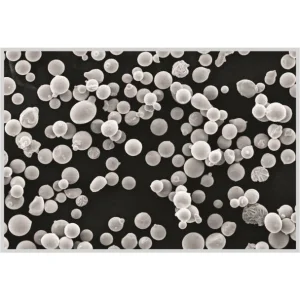
In-situ blending of atomized functional spherical alloy particles and functional silicas to improve barrier performance and wear longevity.
Incorporating reversible hydrogen-bonding networks to allow elastomeric coatings to autonomously close microscopic fracture lines.
Transitioning base polyolefin chains to sustainable bio-butadiene feedstocks while maintaining chemical resistance.
Strict quality-gate frameworks aligned with global chemical safety regulations, dangerous goods handling, and certified batch integrity.
Every industrial synthesis batch undergoes FTIR fingerprinting, viscosity verification, and gel-permeation chromatography before shipping, paired with permanent retention samples.
Custom packaging solutions from nitrogen-purged 200L steel drums to UN-certified IBCs and ISO tanks ensure product stability across global transport corridors.
Standard delivery includes fully compliant GHS-format Safety Data Sheets (SDS), technical performance bulletins, and verified certificates of analysis ready for port clearance.
Operational parameters, substrate preparation requirements, and purchasing considerations for formulation engineers and procurement directors.
Functional reactive liquid rubbers (such as EPB, HTBN, and ATBN) react chemically with epoxy, polyurethane, or polyurea resins. They act as elastomeric toughening agents, relieving internal curing stresses, preventing brittle micro-fractures, and significantly boosting peel strength and impact resistance.
For metallic surfaces, SSPC-SP 10 (Near-White Blast Cleaning) with a 50–75 micron surface profile is ideal. Concrete substrates require CSP 3–5 profile preparation via mechanical scarification, ensuring moisture content remains below 4% to prevent osmotic blistering.
Yes. Prepolymer backbones can be tailored by modulating the acrylonitrile content or utilizing polyether linkages, maintaining low glass transition temperatures (Tg down to -60°C) and workable viscosities during cold-weather application.
Pilot sample lots (1kg to 10kg) with full Certificate of Analysis (COA) are dispatched via air courier within 3 to 5 business days for qualification testing. Commercial production runs typically ship within 14 business days from order confirmation.
Specialty inorganic additives, protective gases, and functional co-monomers supporting end-to-end industrial coating and material manufacturing.